

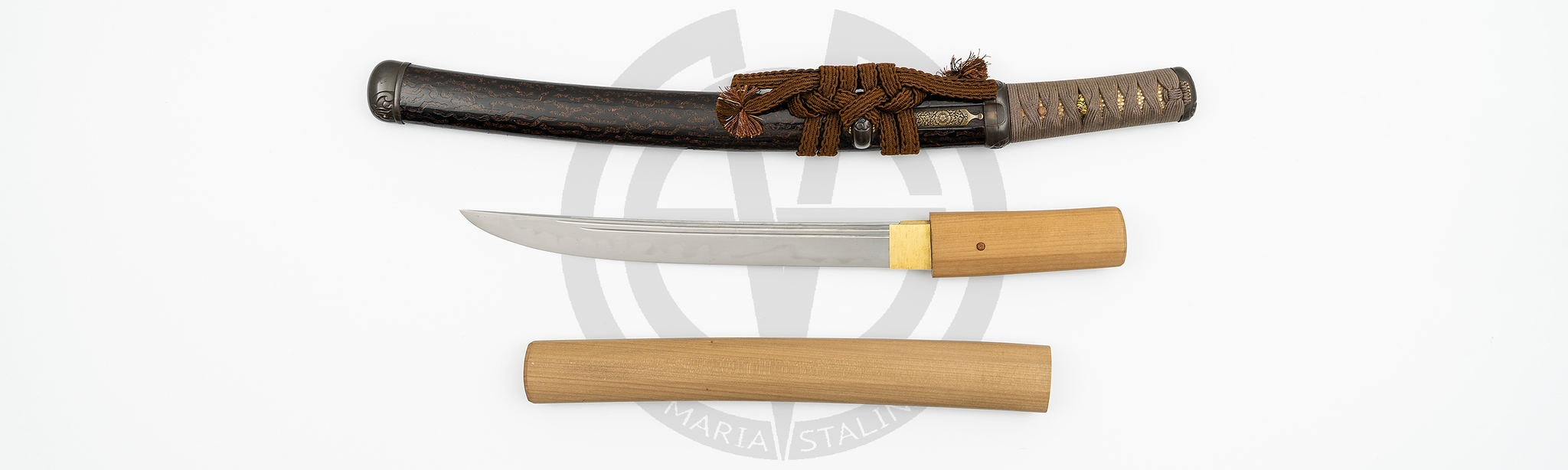
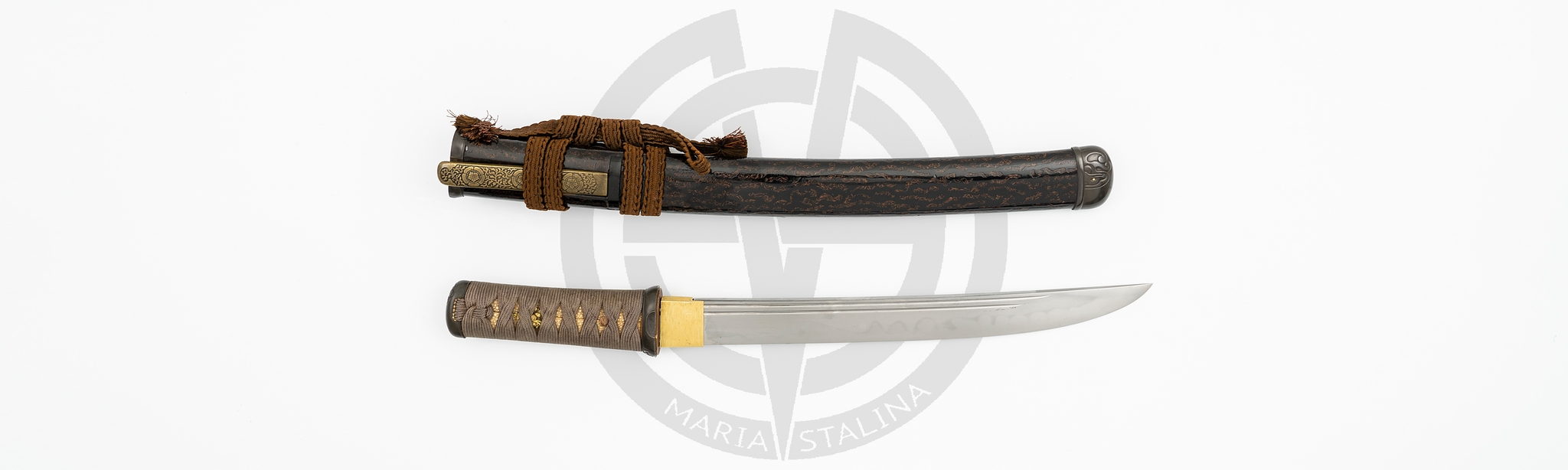
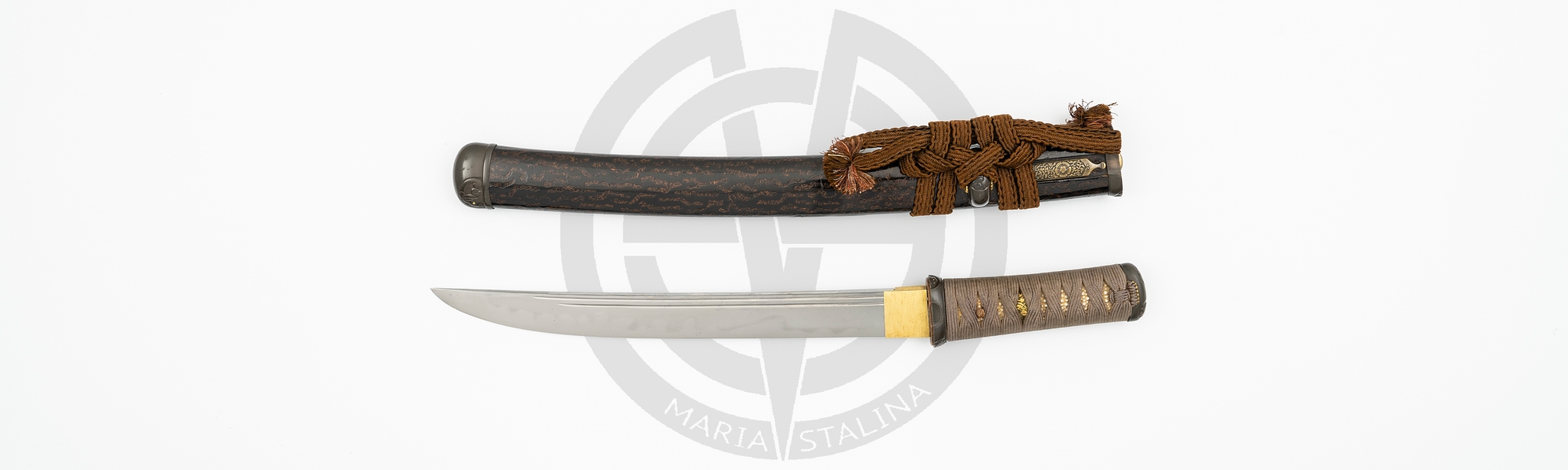
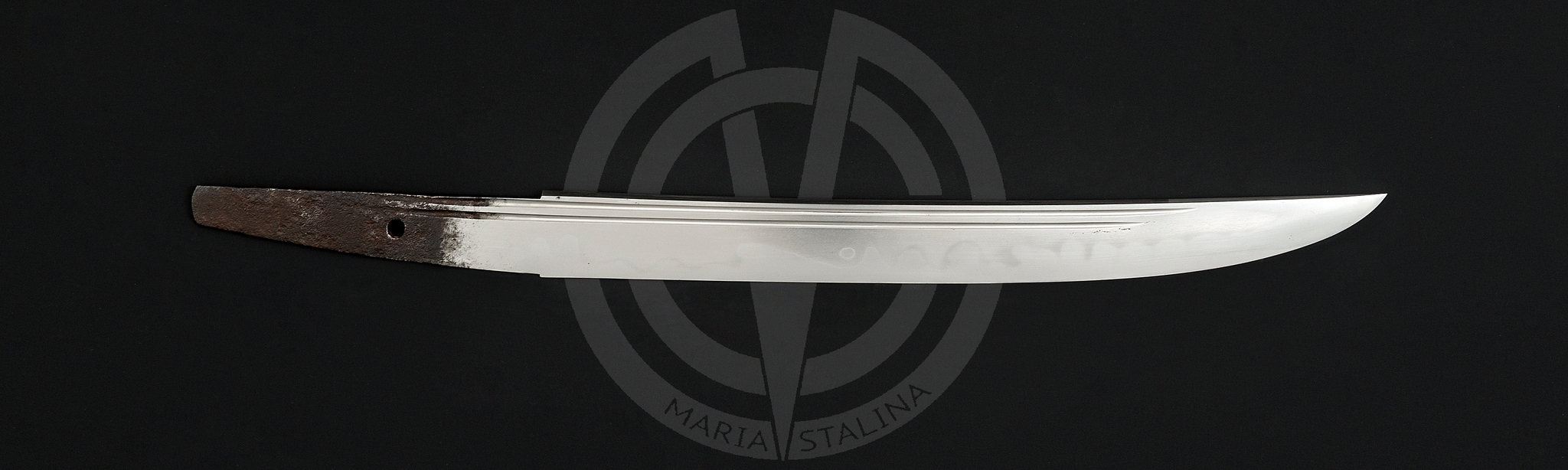
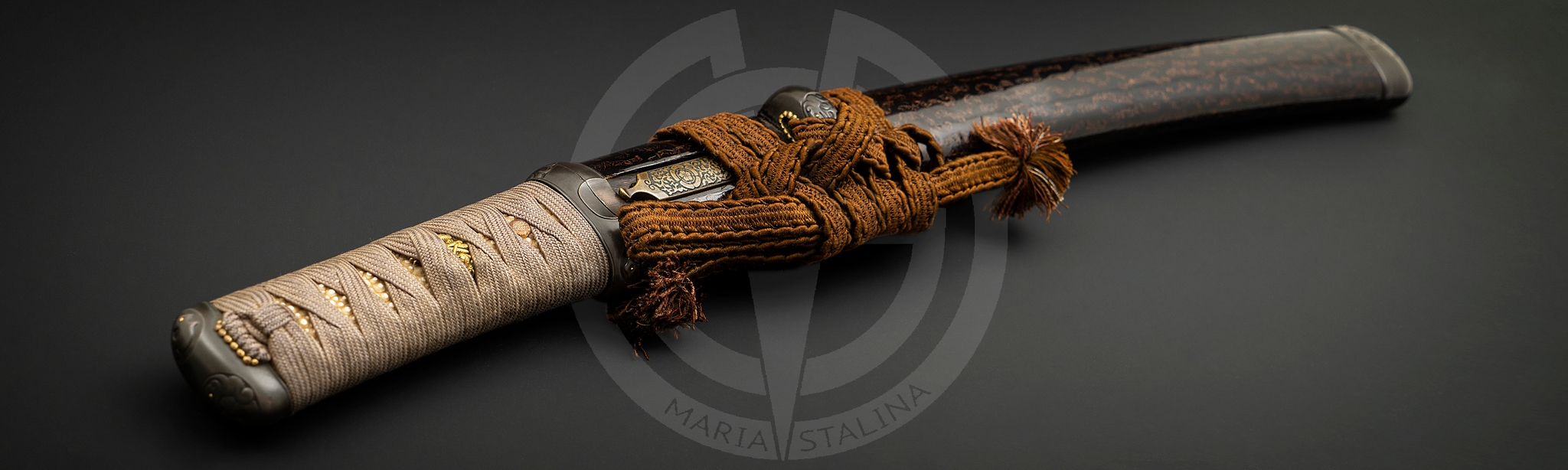
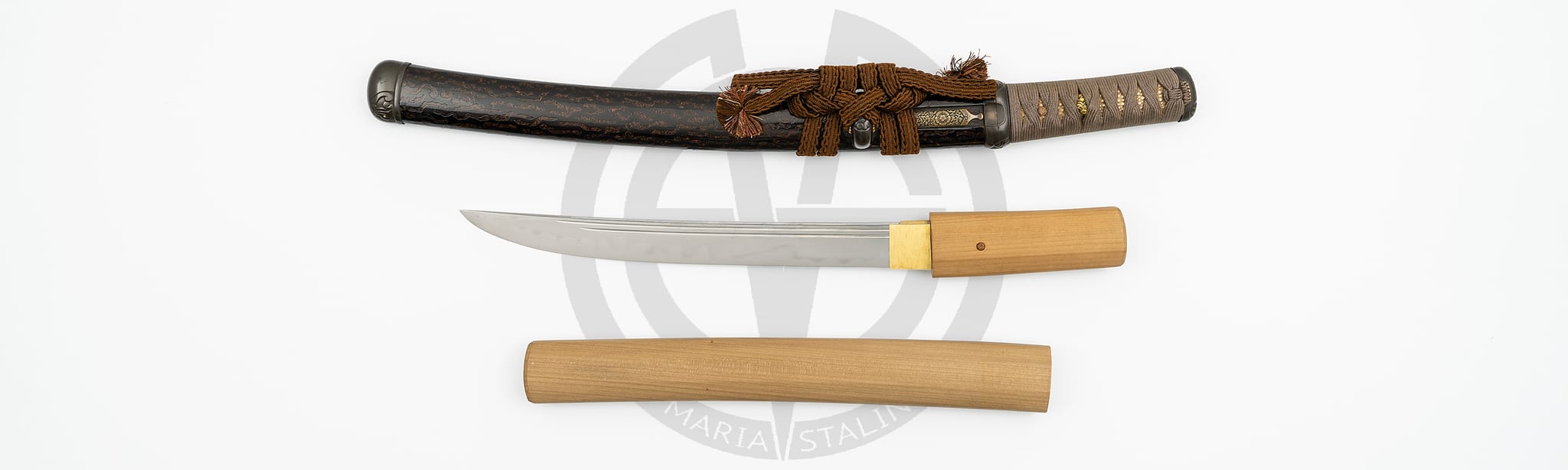
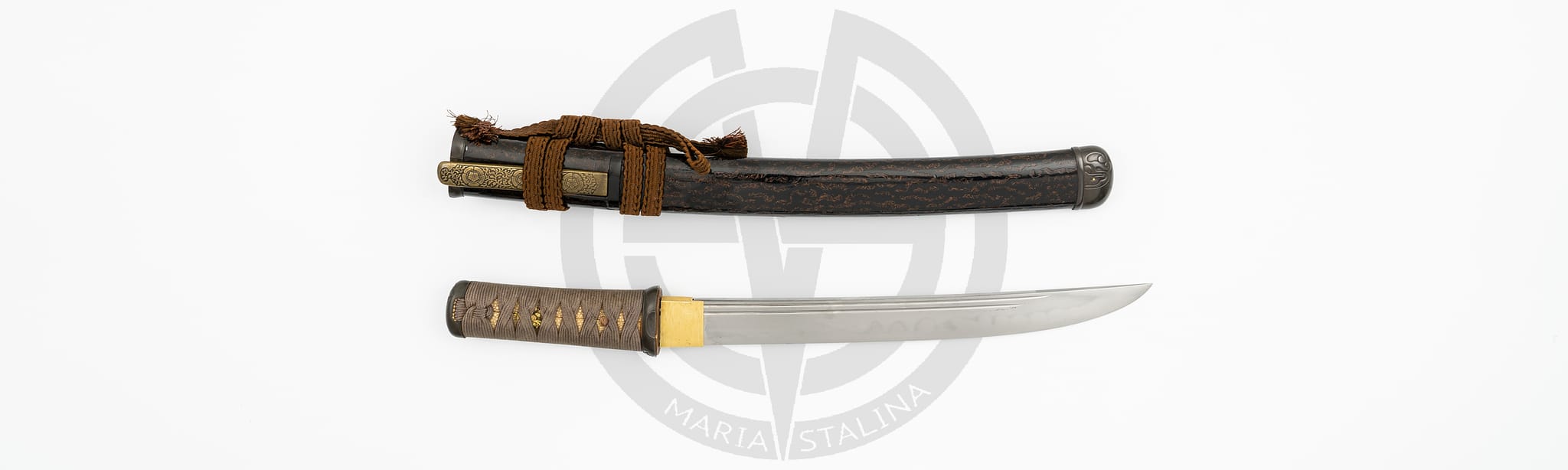
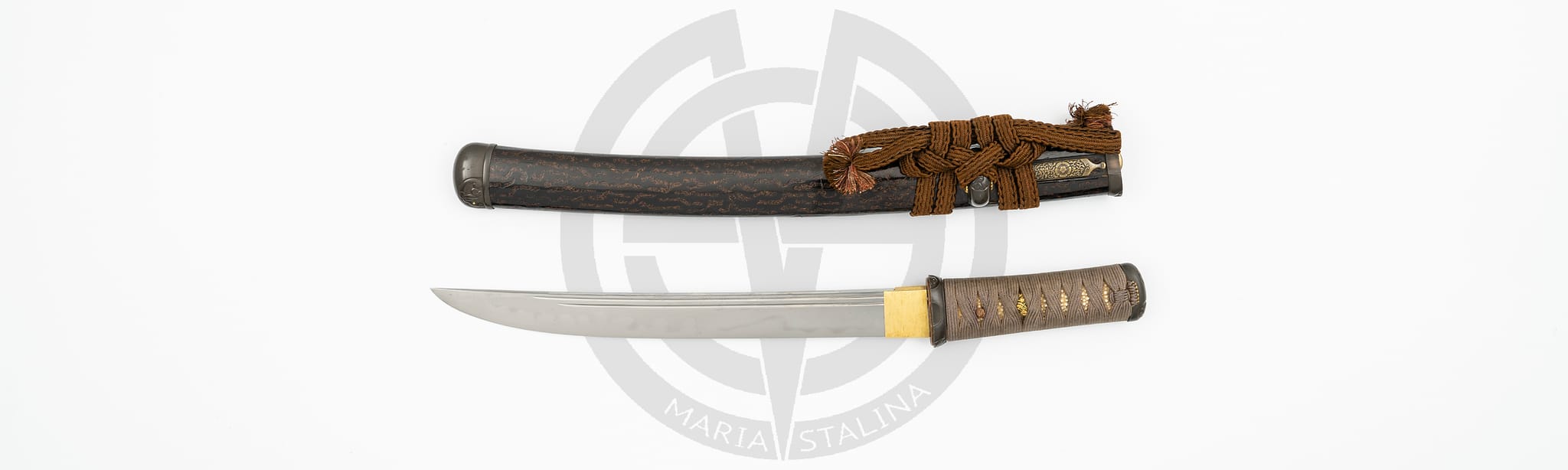
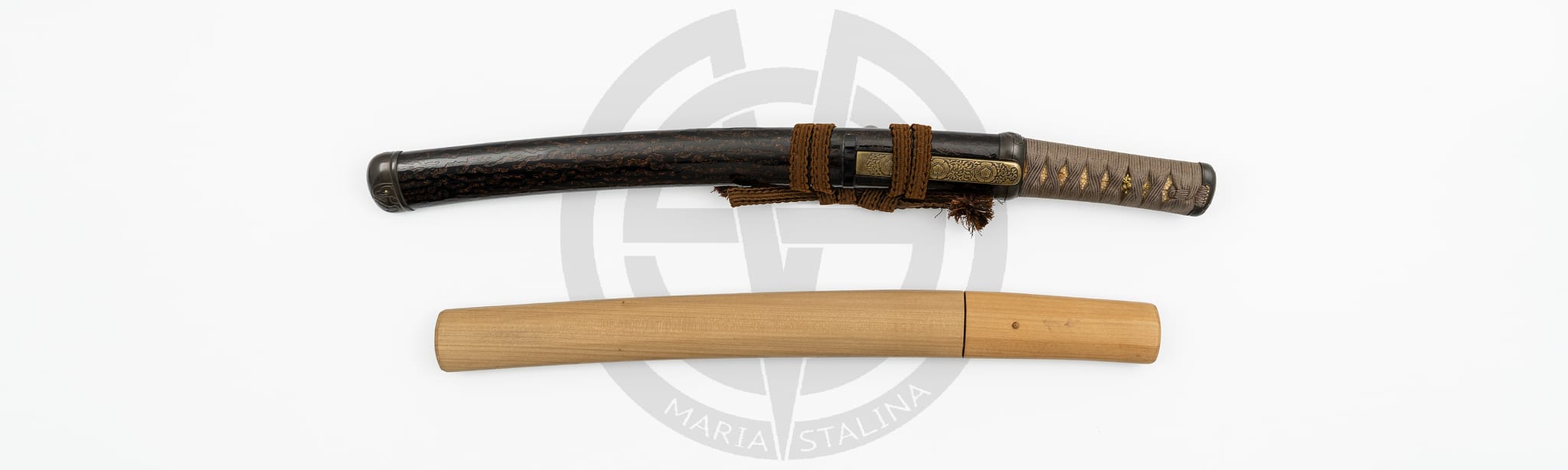
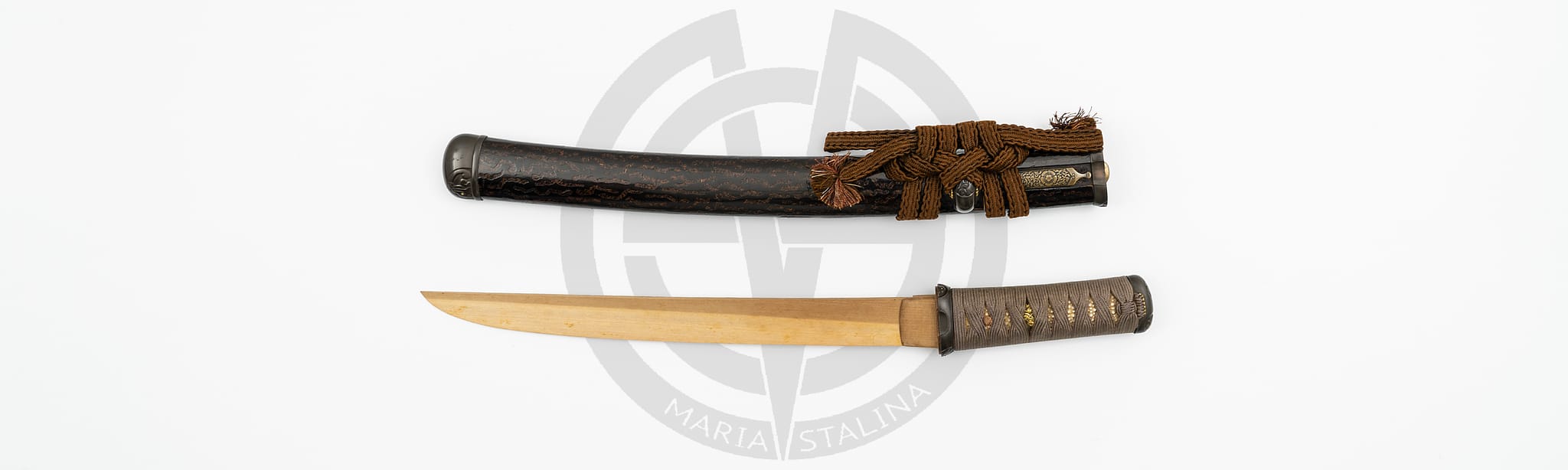
Танто Вакаса-но Ками Удзифуса
Наша коллекция
Длина клинка
272 мм
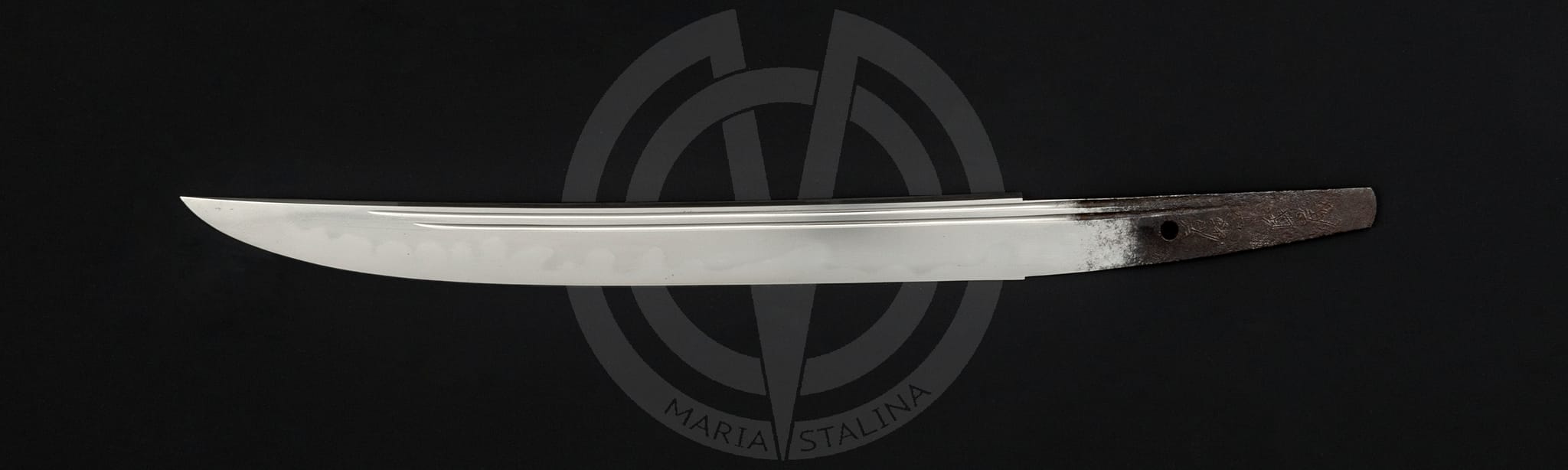
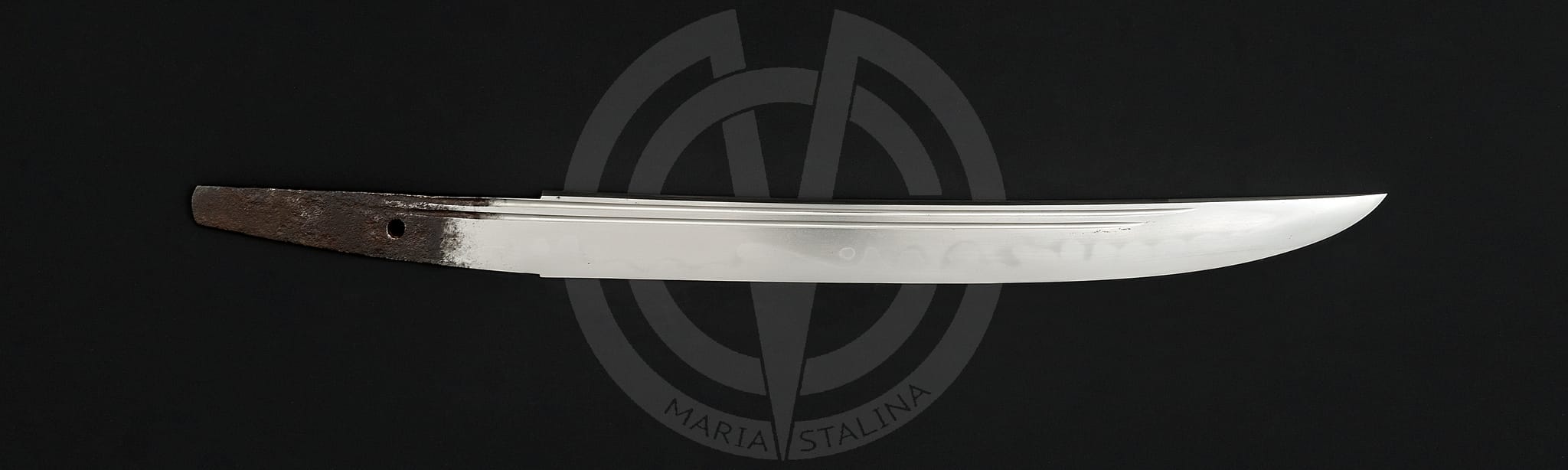
Короткий меч танто кузнеца Вакаса-но Ками Удзифуса 16 века
Танто Вакаса-но Ками Удзифуса
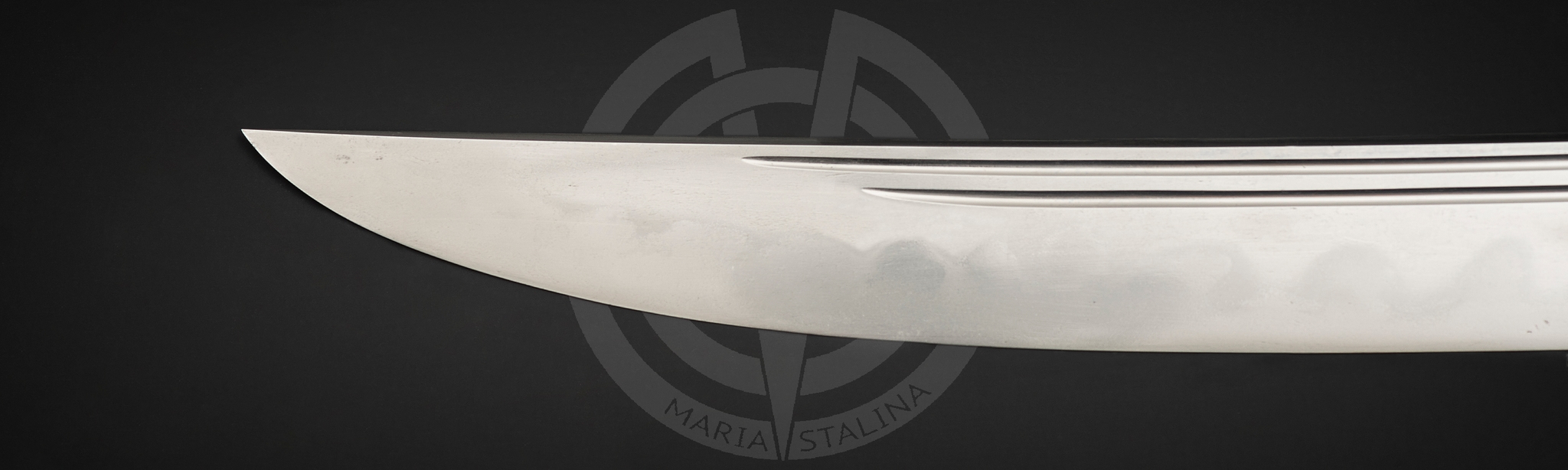
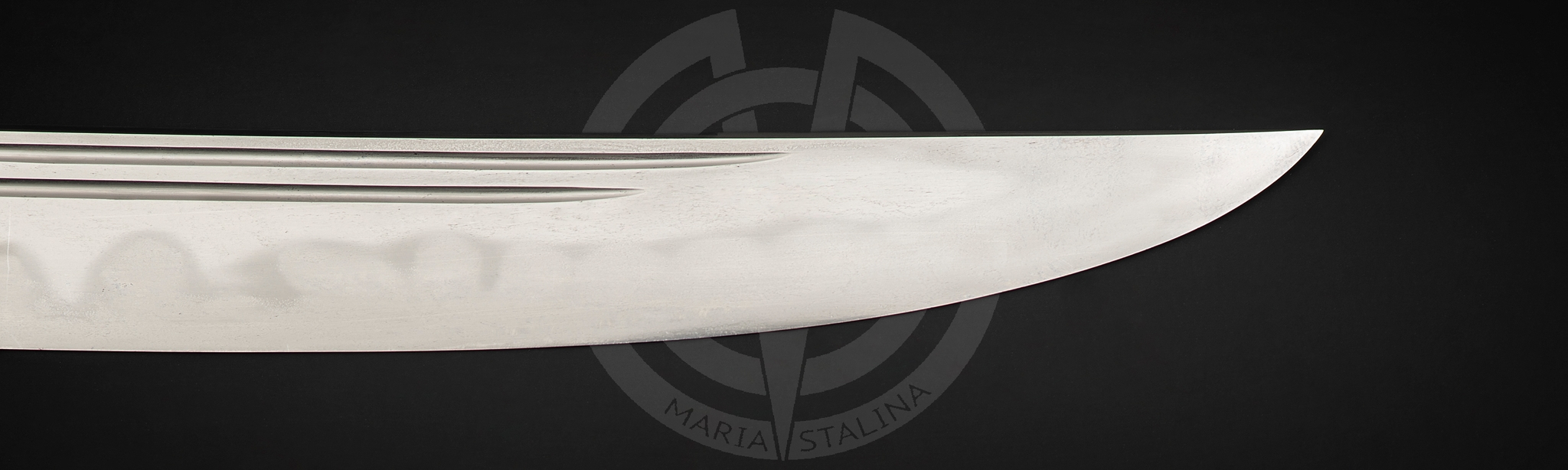
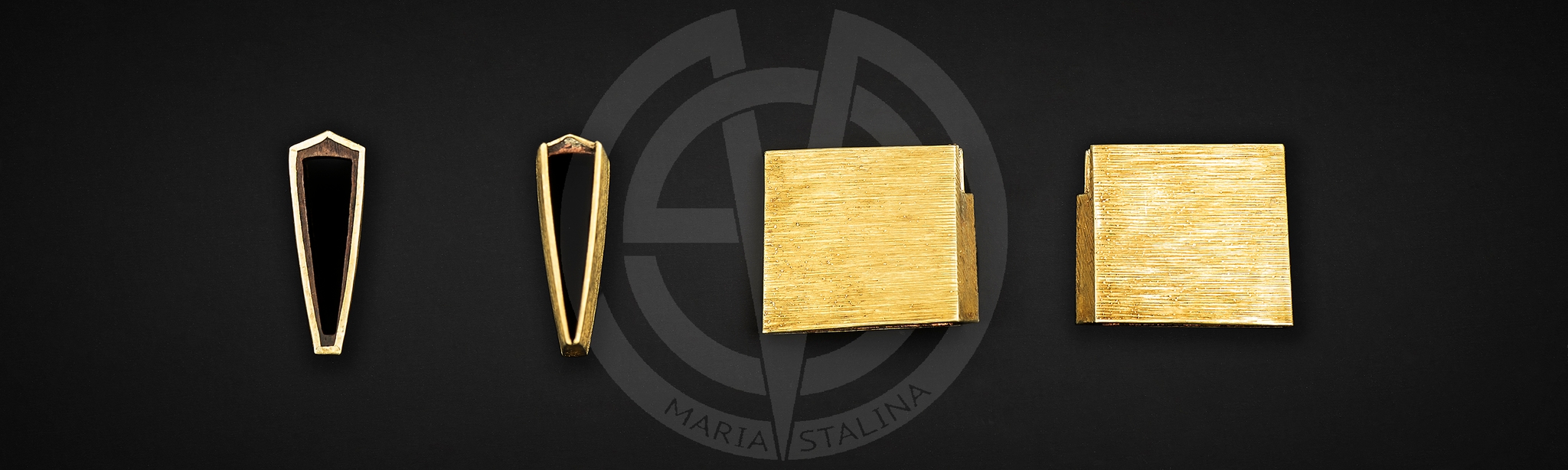
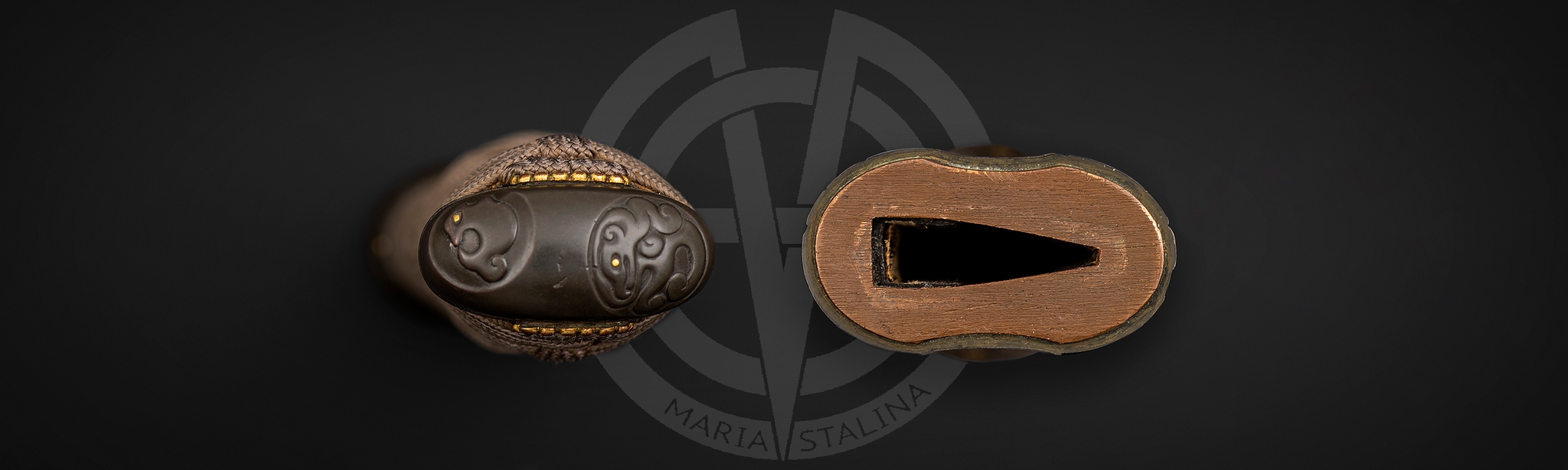
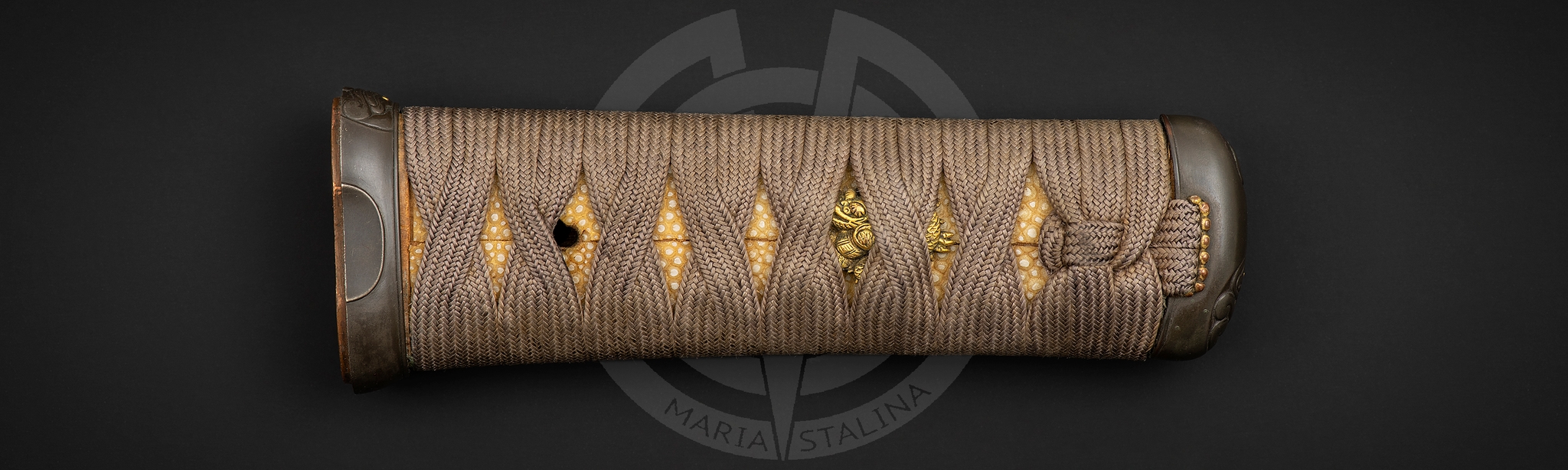
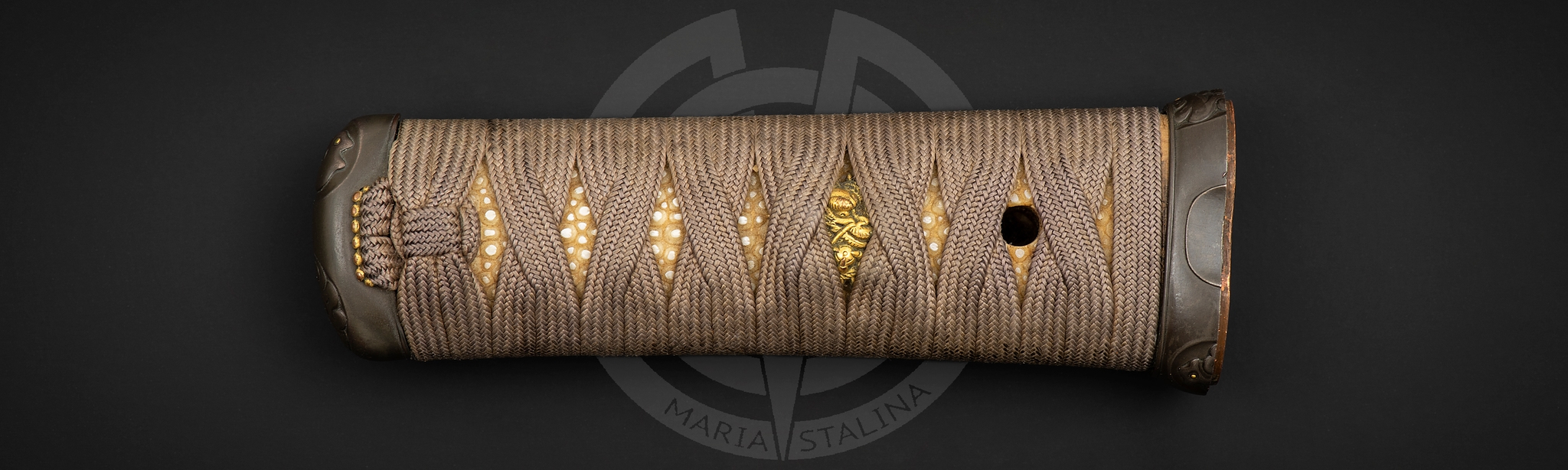
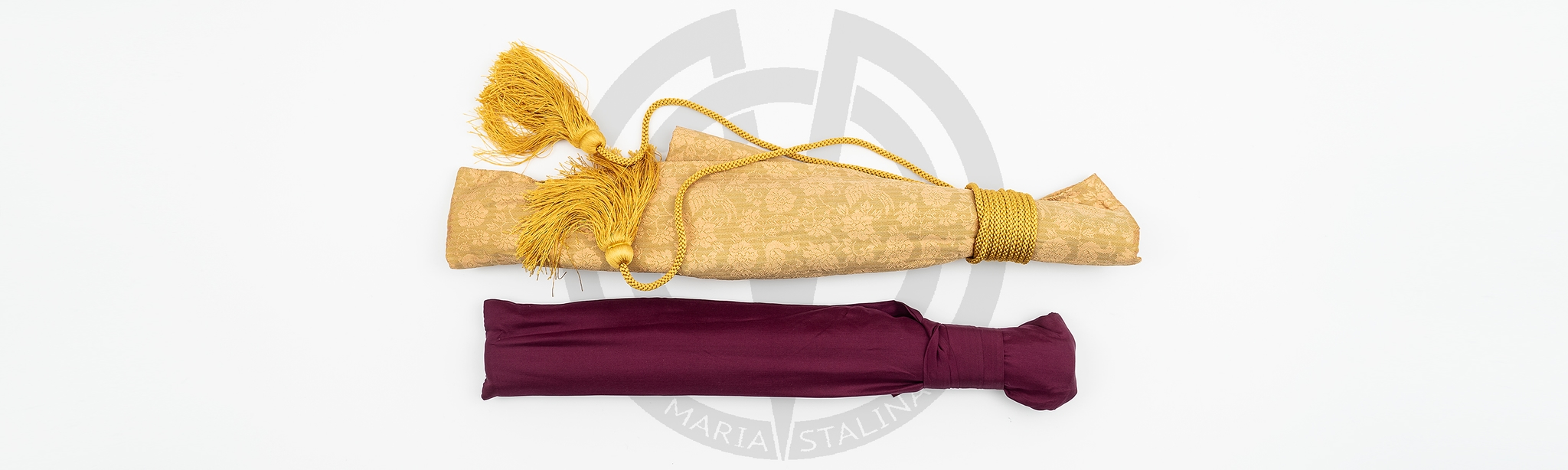
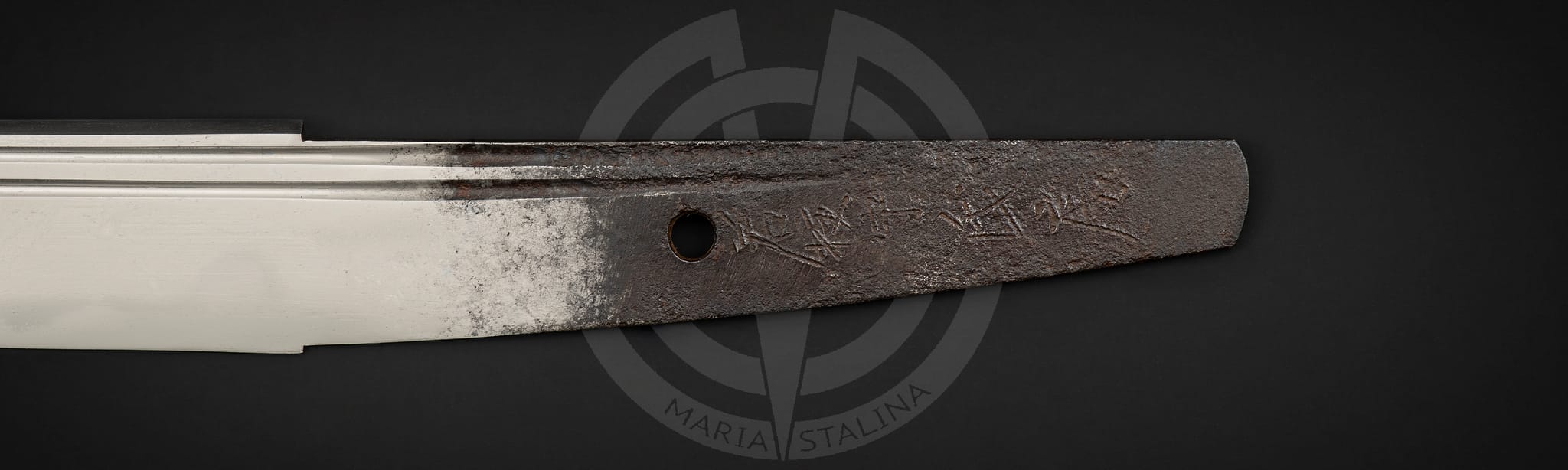
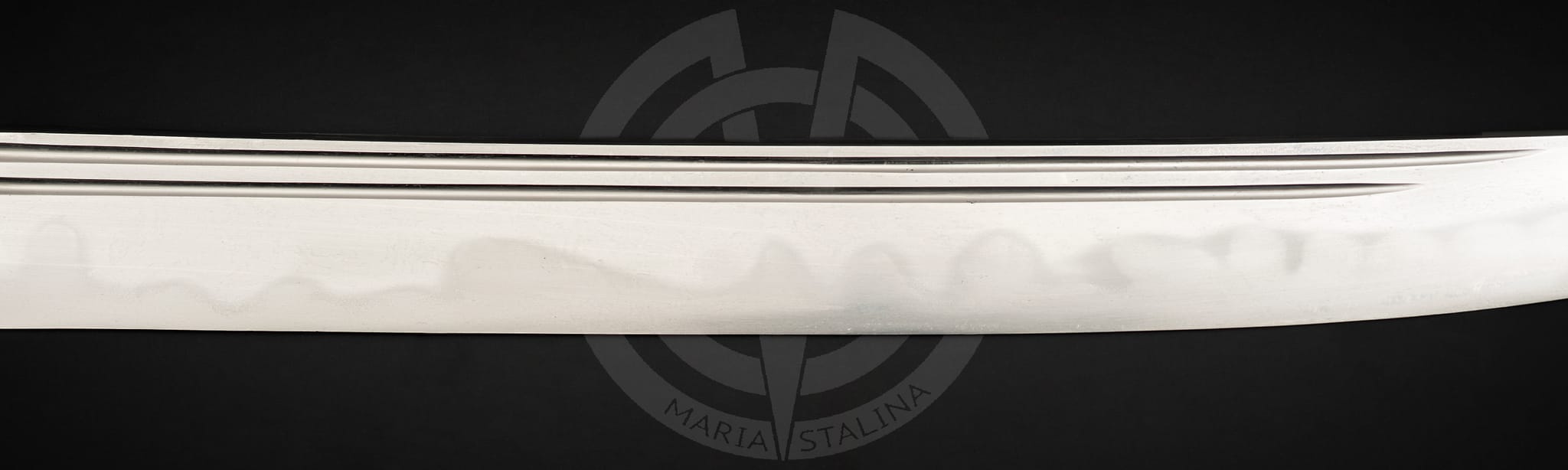
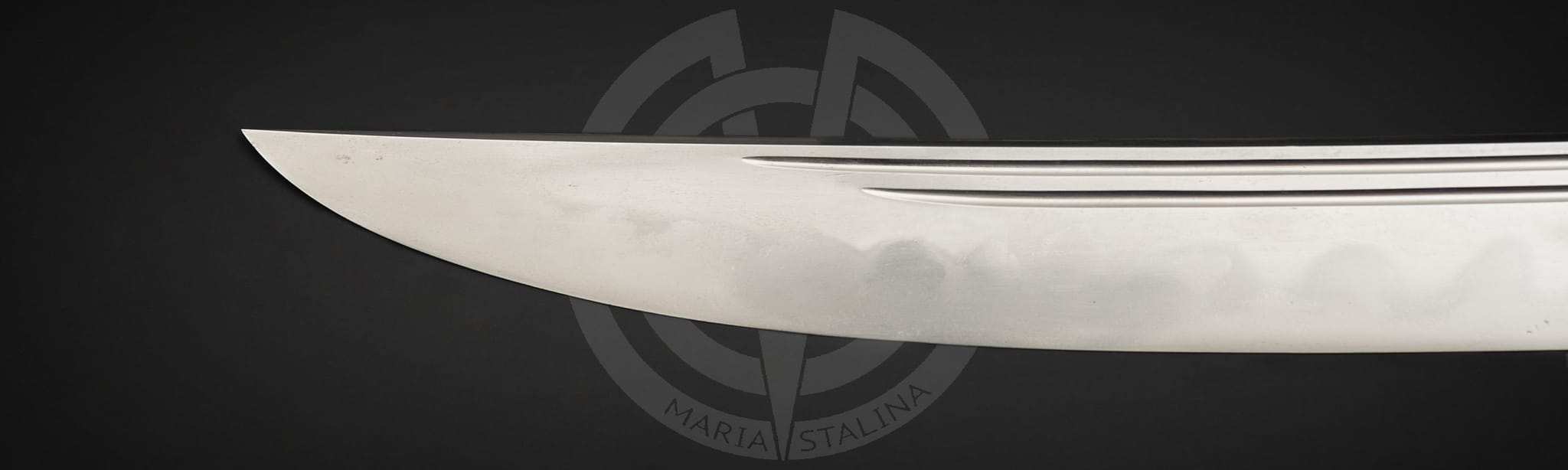
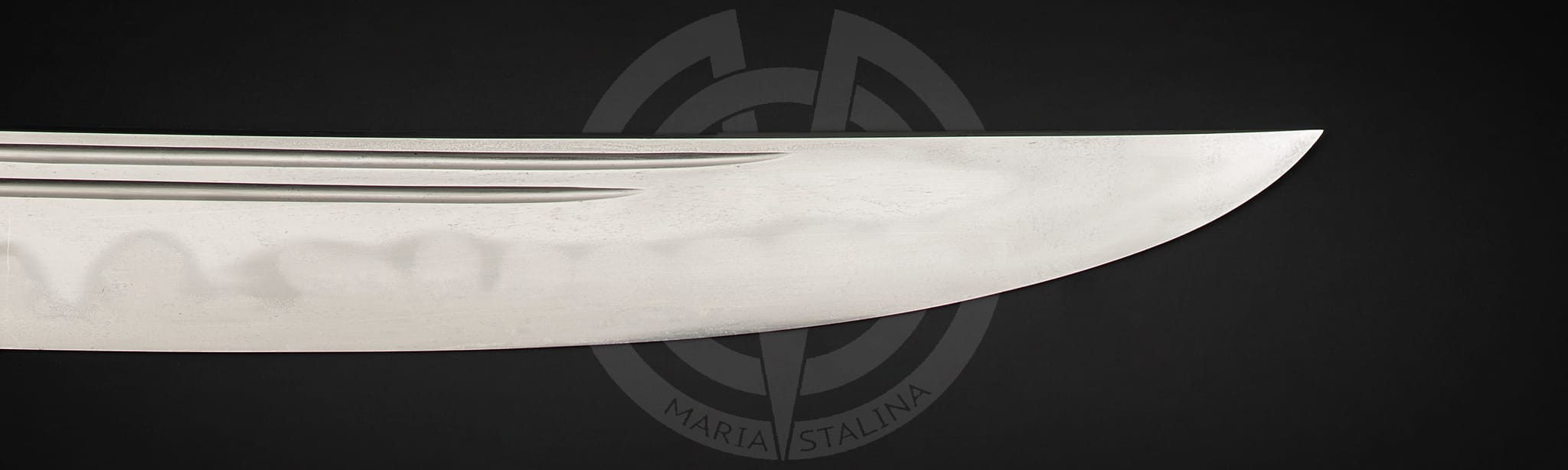
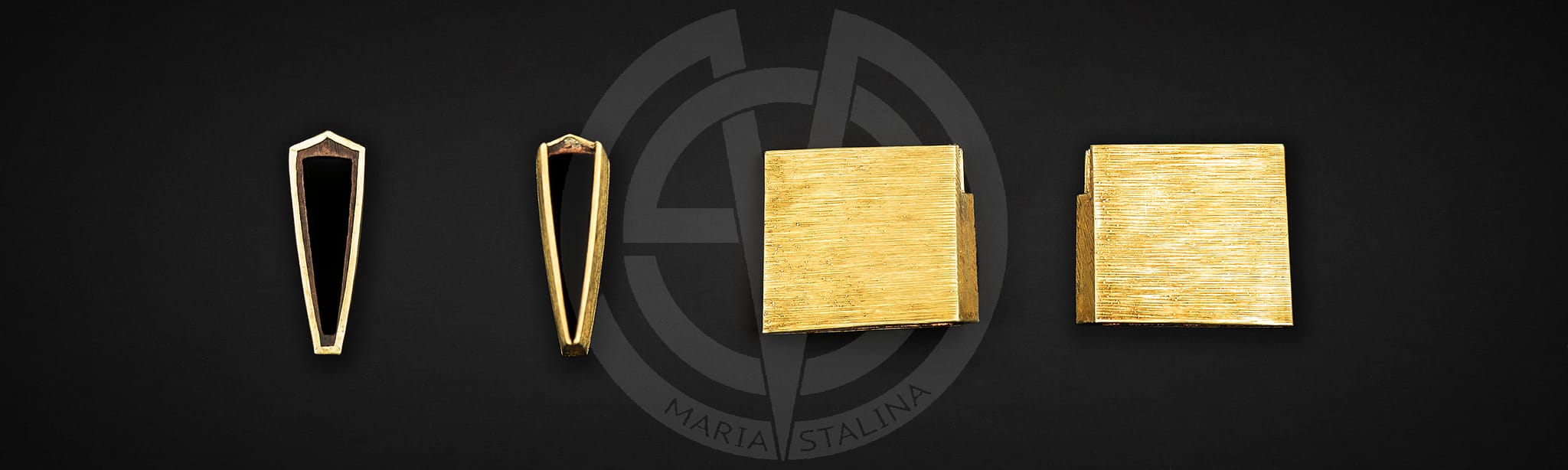
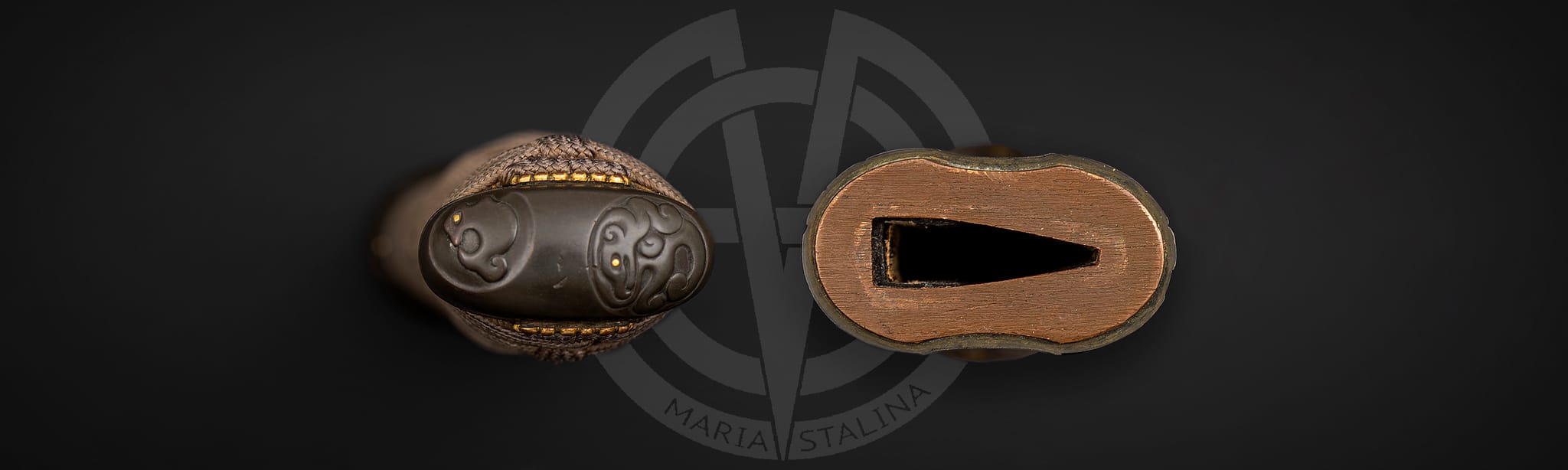
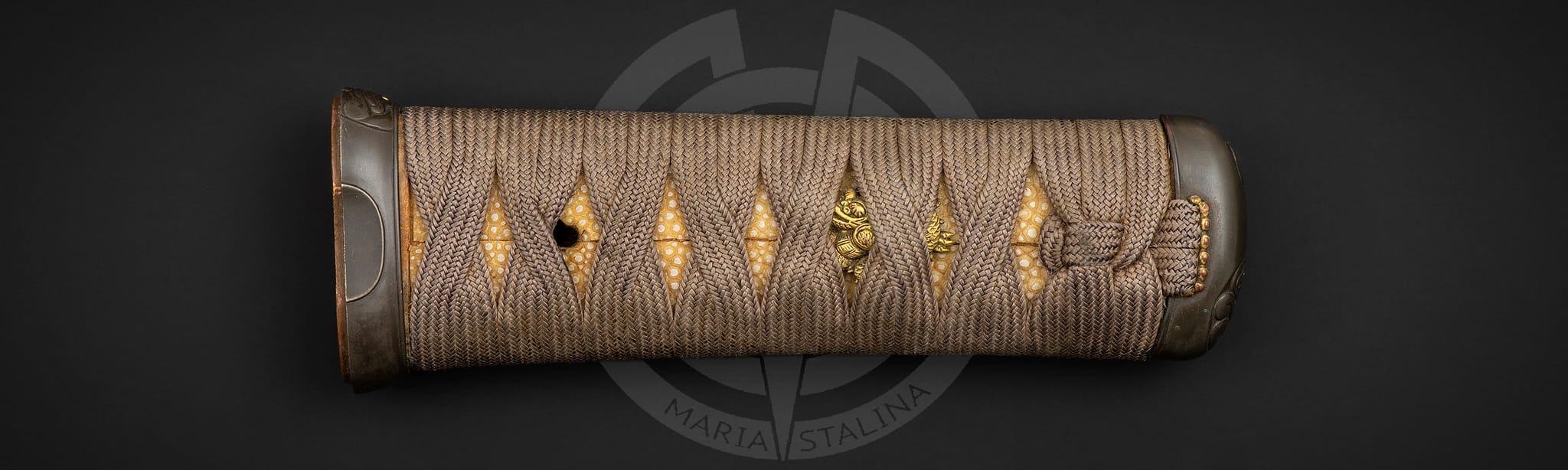
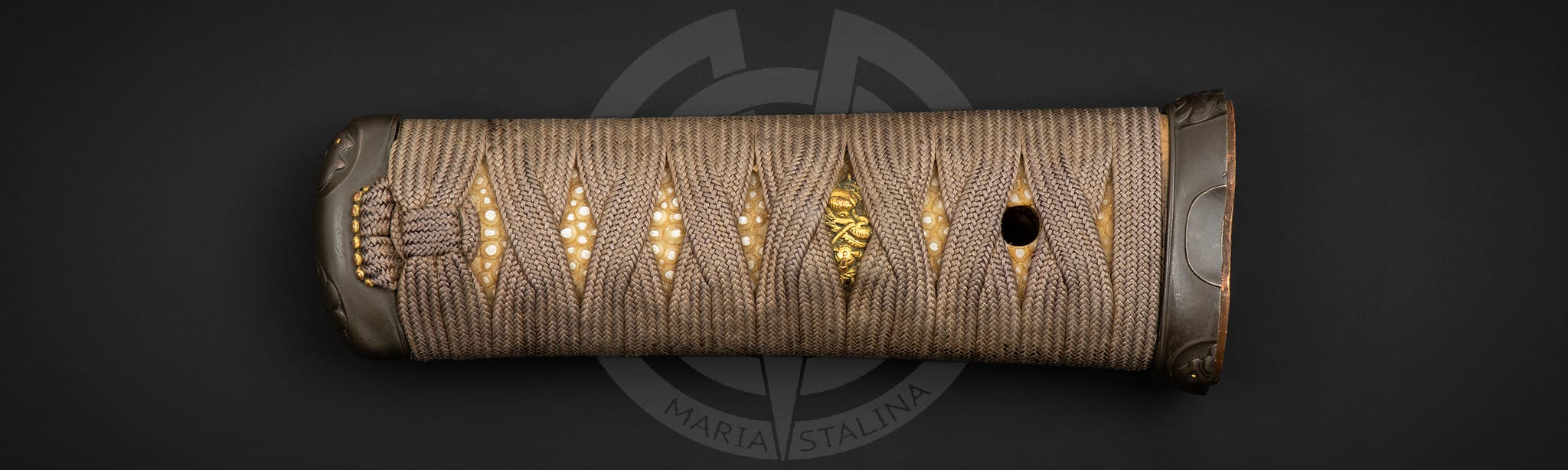
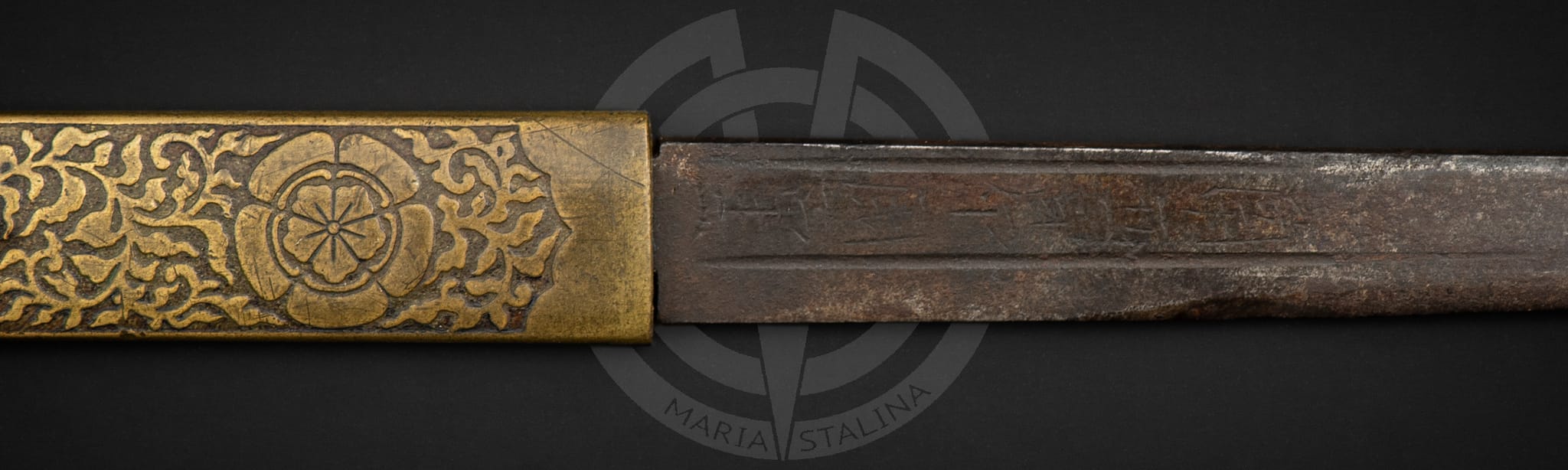
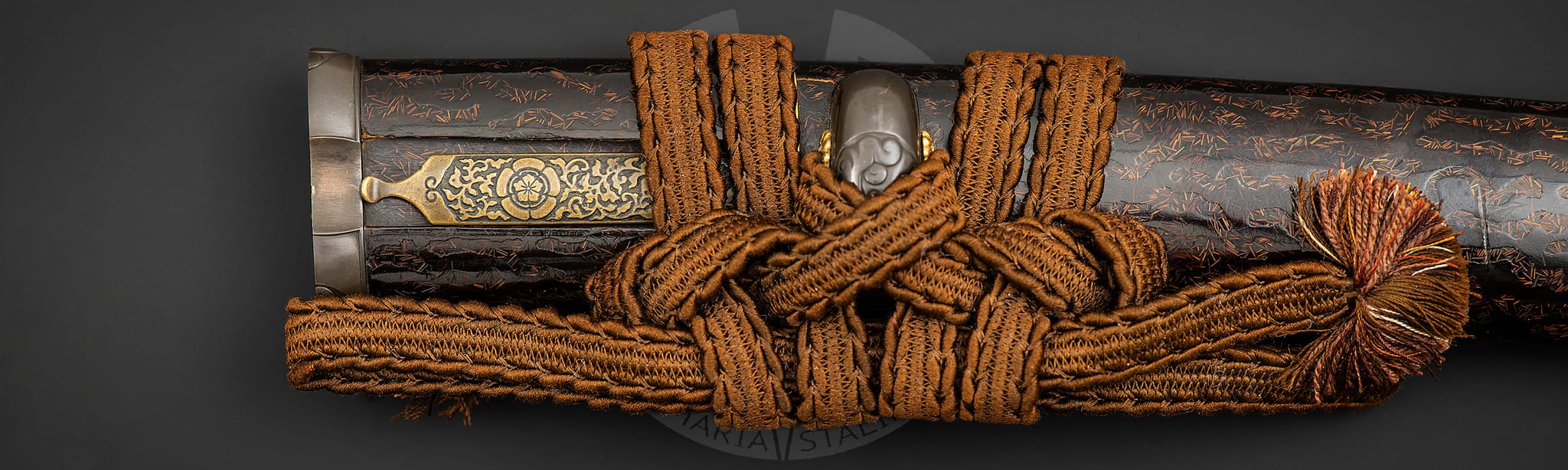
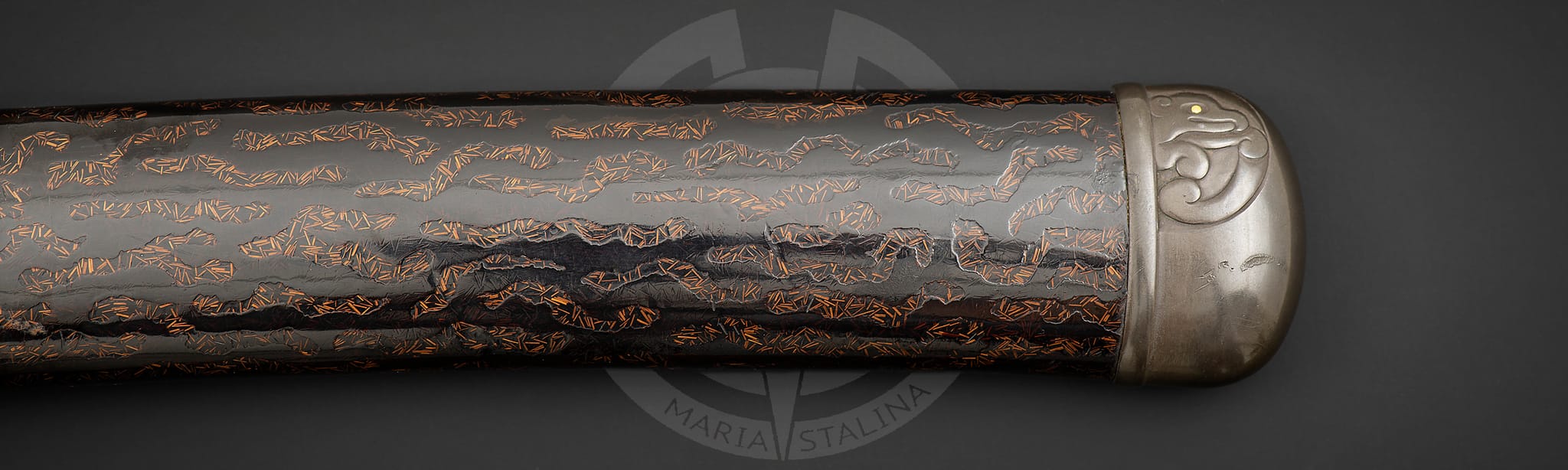
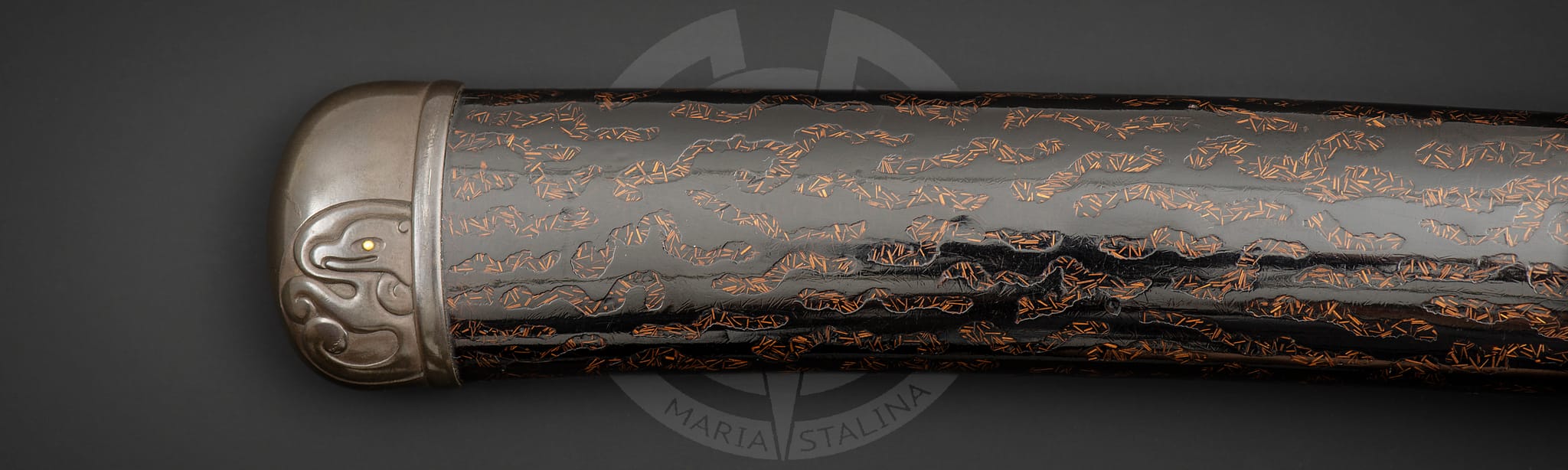
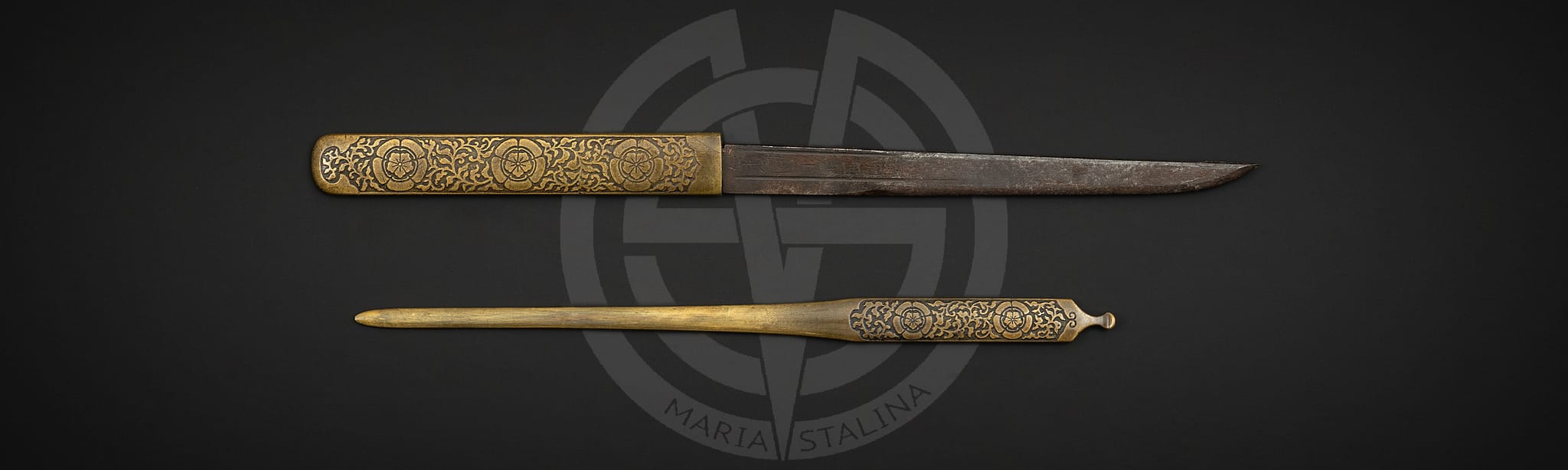
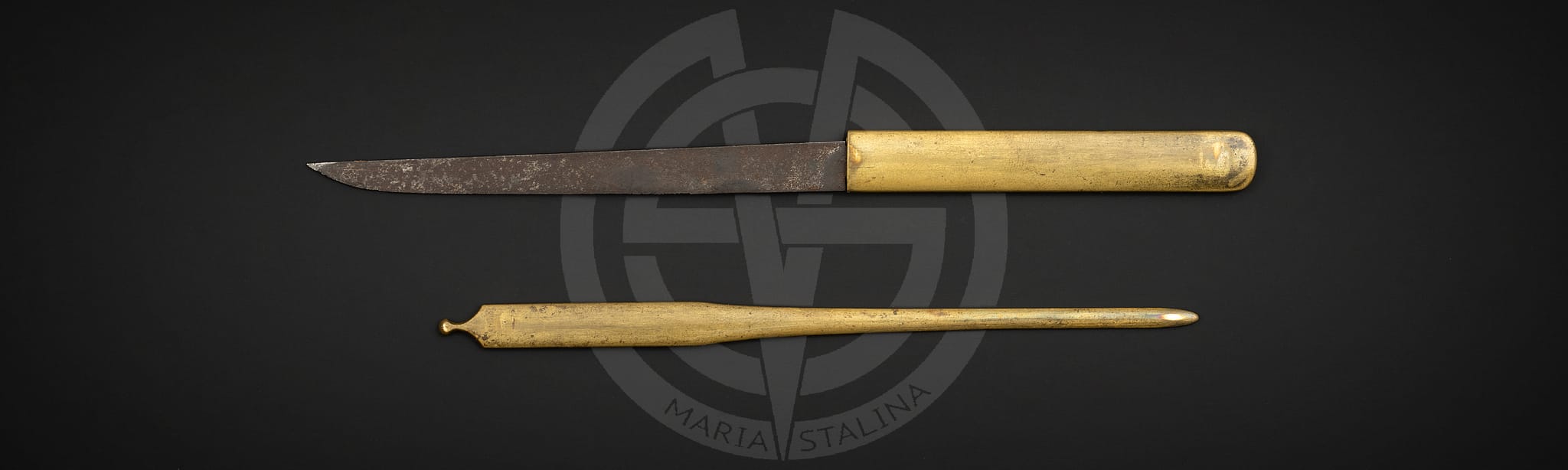
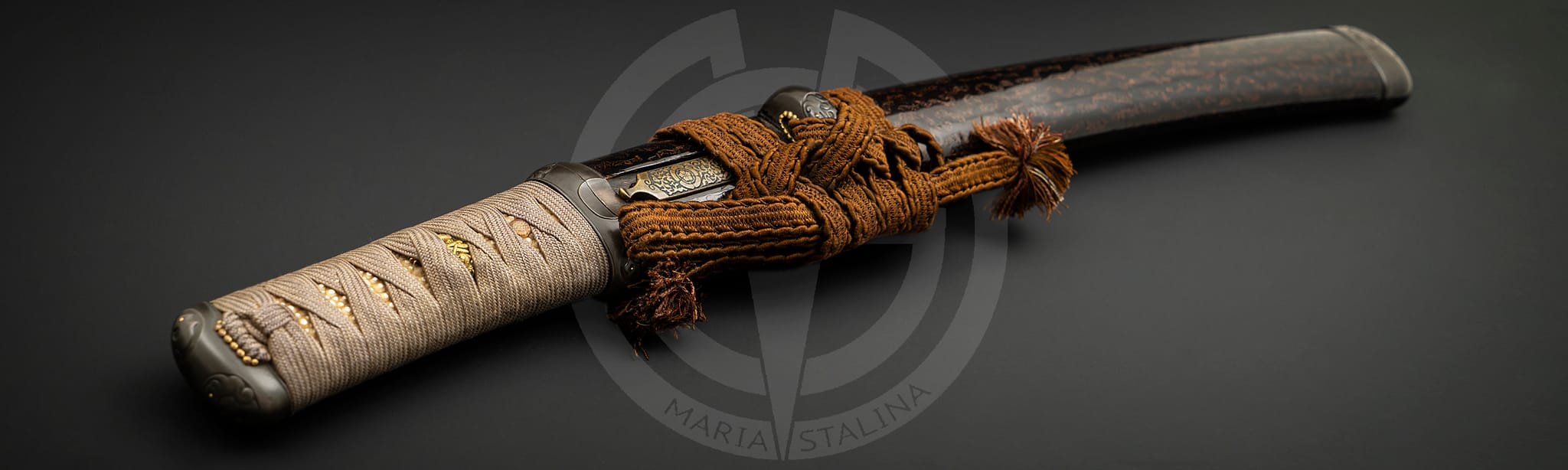
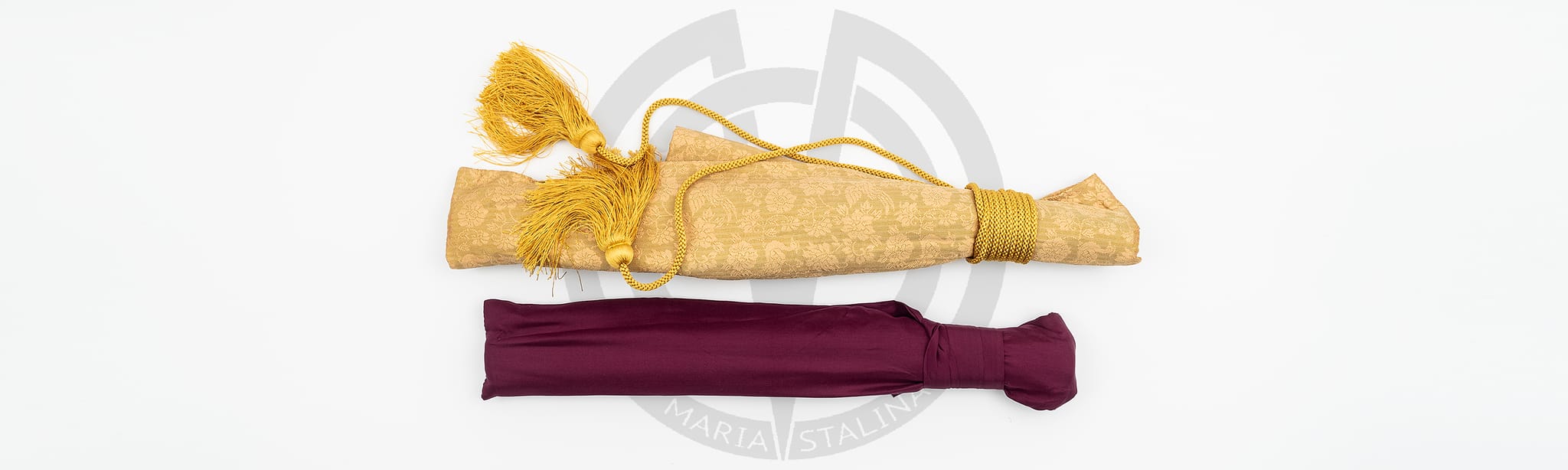
Этот танто — яркое произведение японского оружейного искусства. Меч 1570-1573 годов, ковки мастера Вакаса-но Ками Удзифуса сертифицирован NBTHK как клинок уровня «особо оберегаемый меч». Танто укомплектован антикварной художественной оправой времён Эдо (1603 – 1867), сертифицированной NBTHKкак работа достойная особого сохранения.
Тип меча: Короткий меч танто.
Мастер меча: Вакаса-но Ками Удзифуса (Удзифуса I) из династии Канэфуса (сын Дзэнсая Канэфуса).
Время создания меча: Приблизительно в годы Гэнки (1570 – 1573).
Клинок:
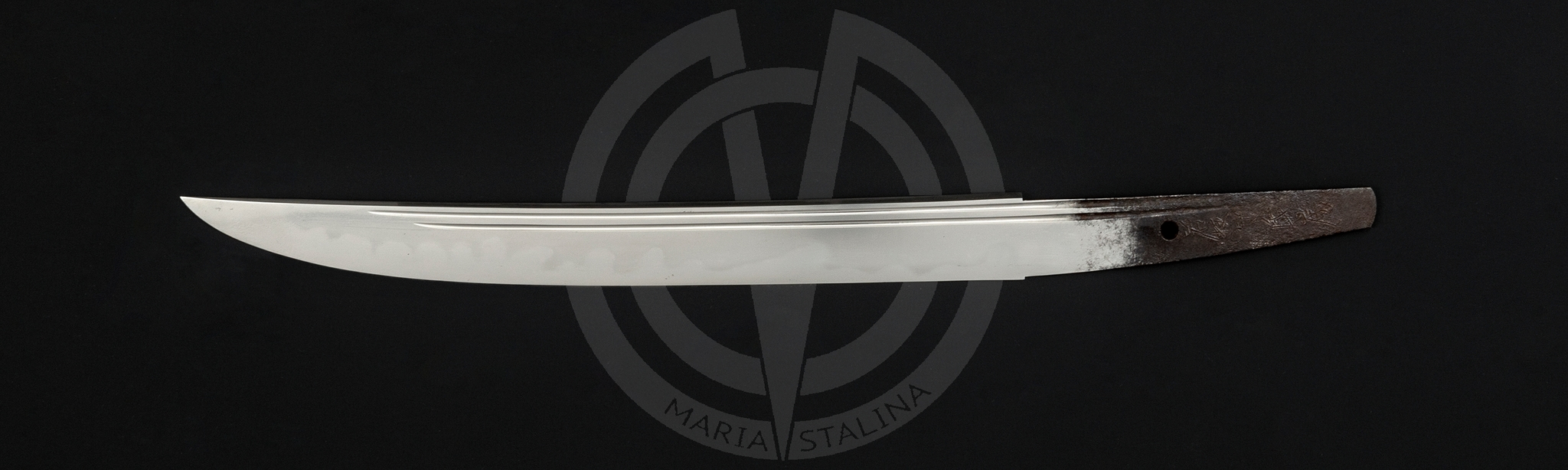
- Длина (хатё) — 272 мм.
- Изгиб клинка (сори) — 3 мм.
- Ширина в основании (мотохаба) — 28 мм.
- Толщина в основании (мотогасанэ) — 6,3 мм.
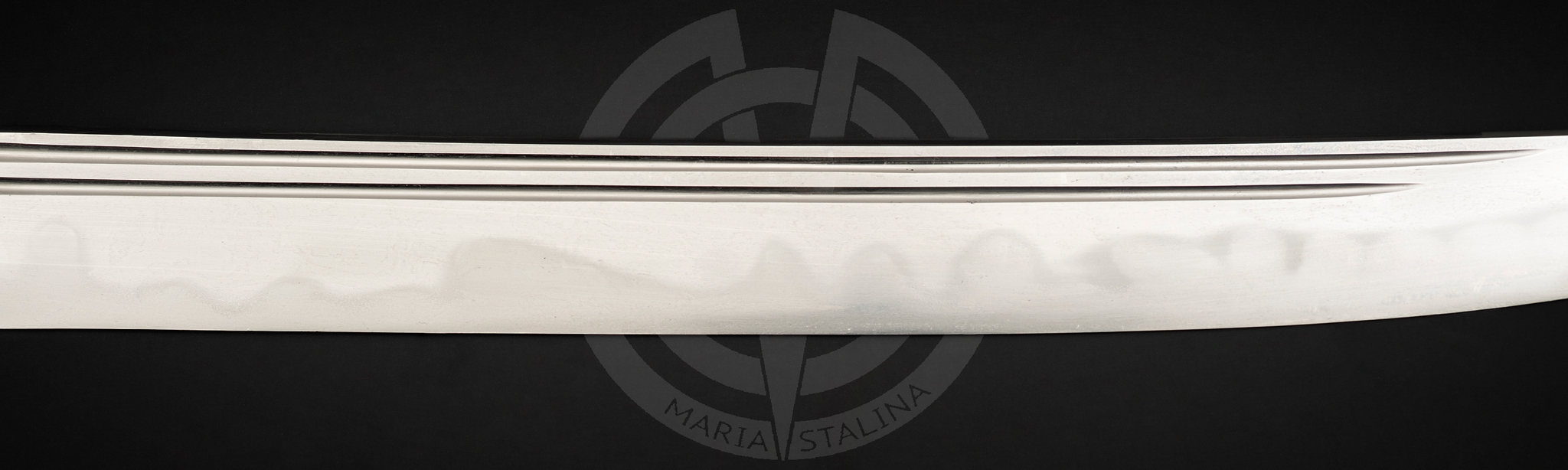
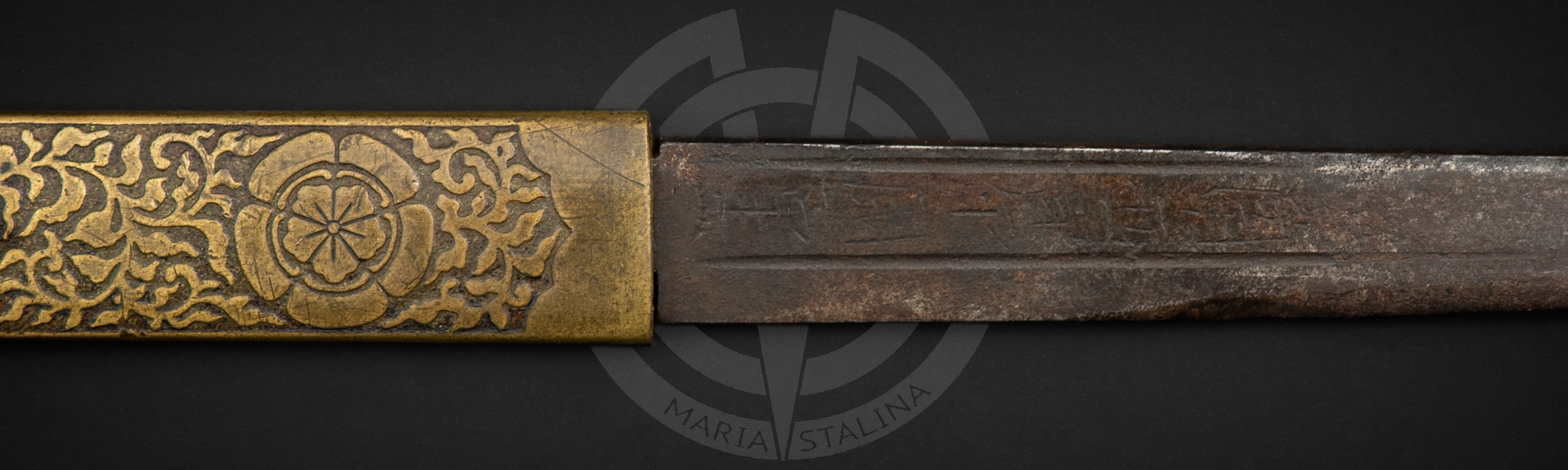
- Форма классическая, с обеих сторон проходят два прямых желоба.
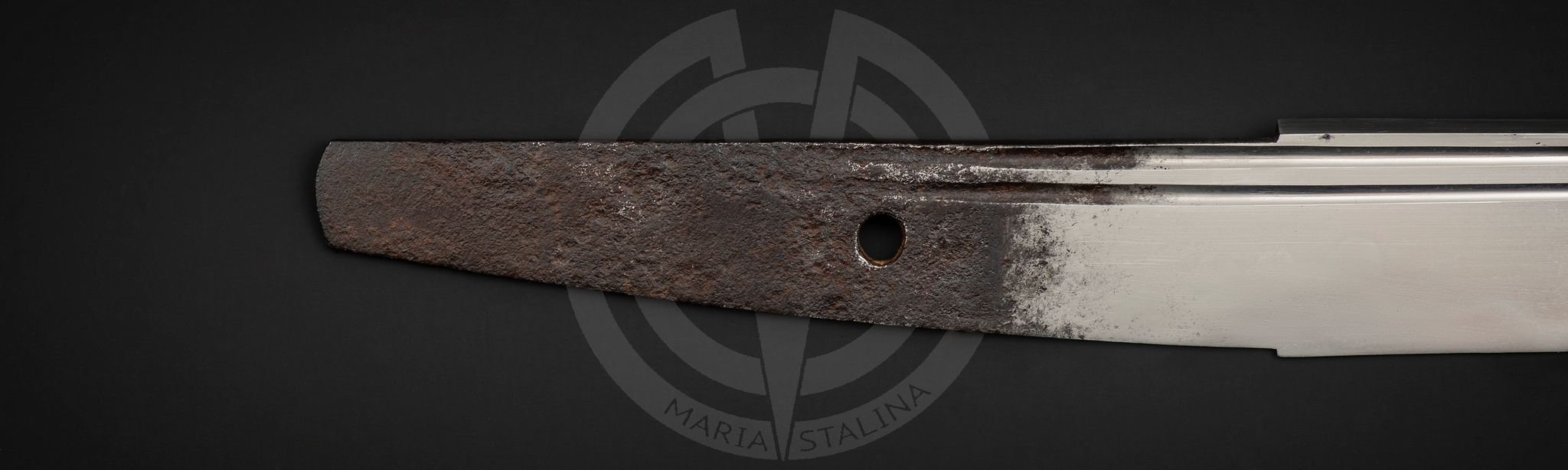
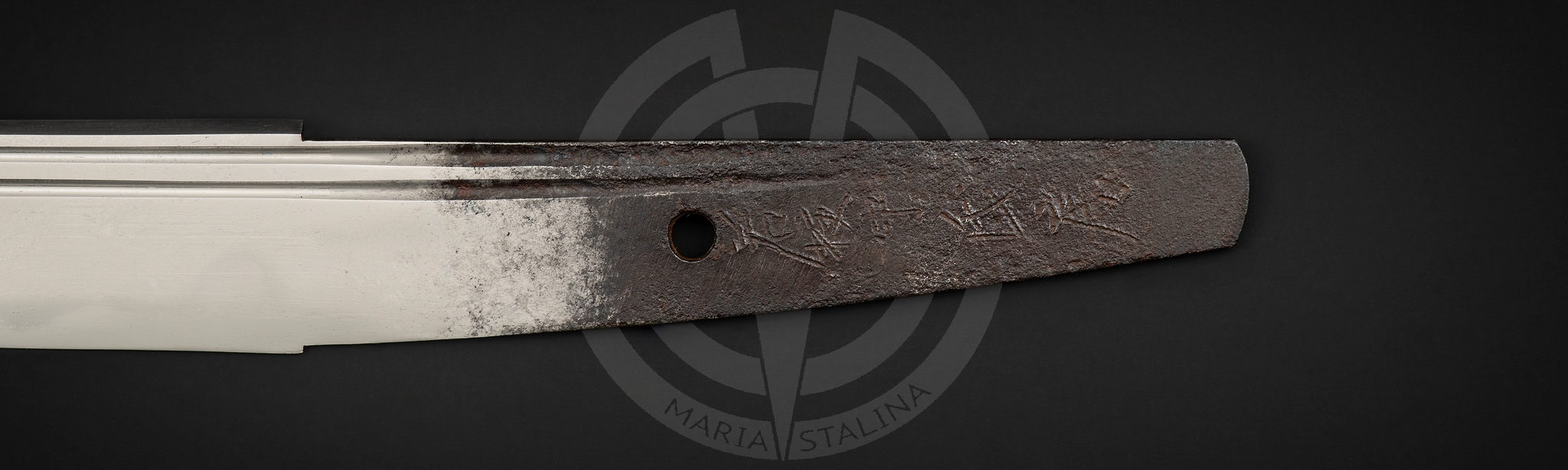
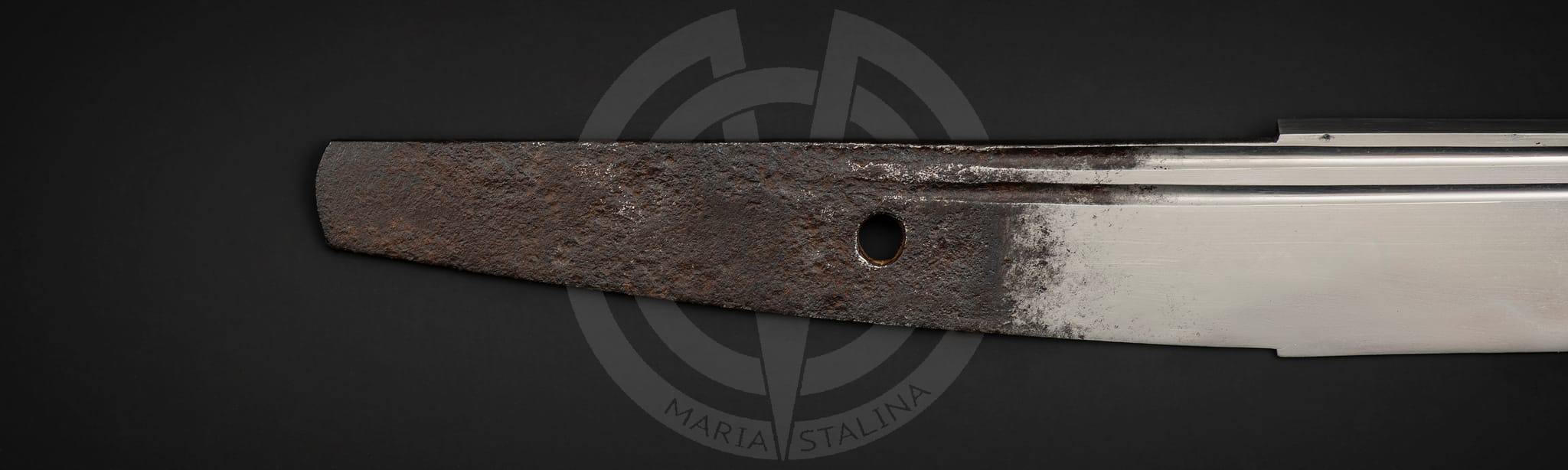
Хвостовик:
- Длина (кэйтё) — 113 мм.
- С лицевой стороны (накаго саси-омотэ) отчеканена подпись кузнеца-оружейника (мэй) в виде пяти иероглифических символов «Вакаса-но Ками Удзифуса». Подпись автора, размеры иероглифов и их расположение на хвостовике характерны для 70-х годов XVI века.
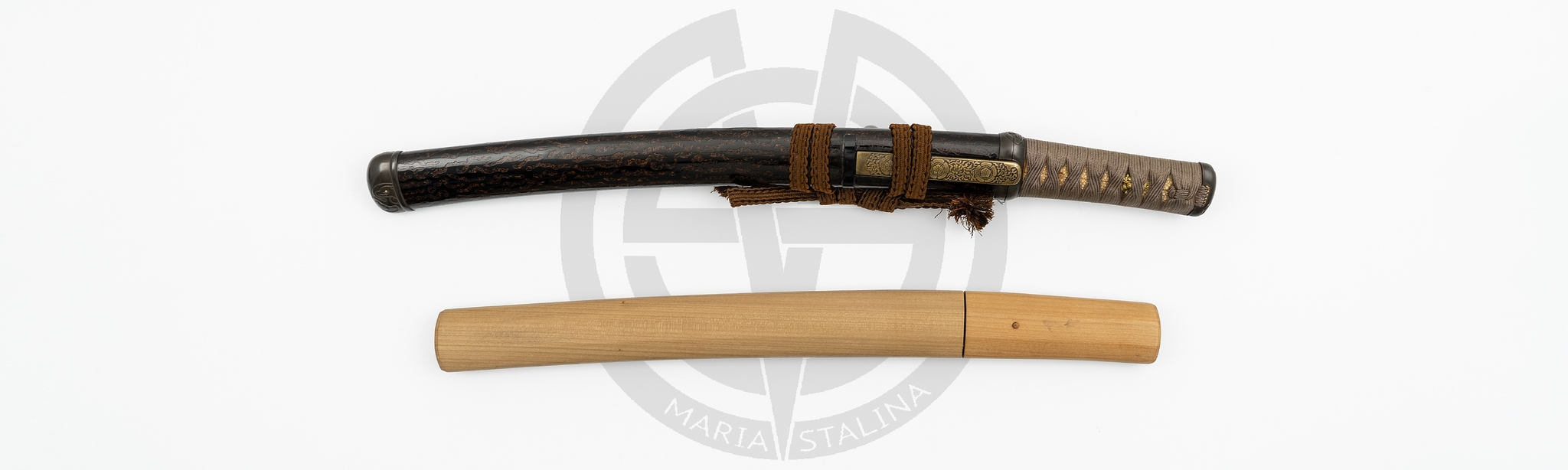
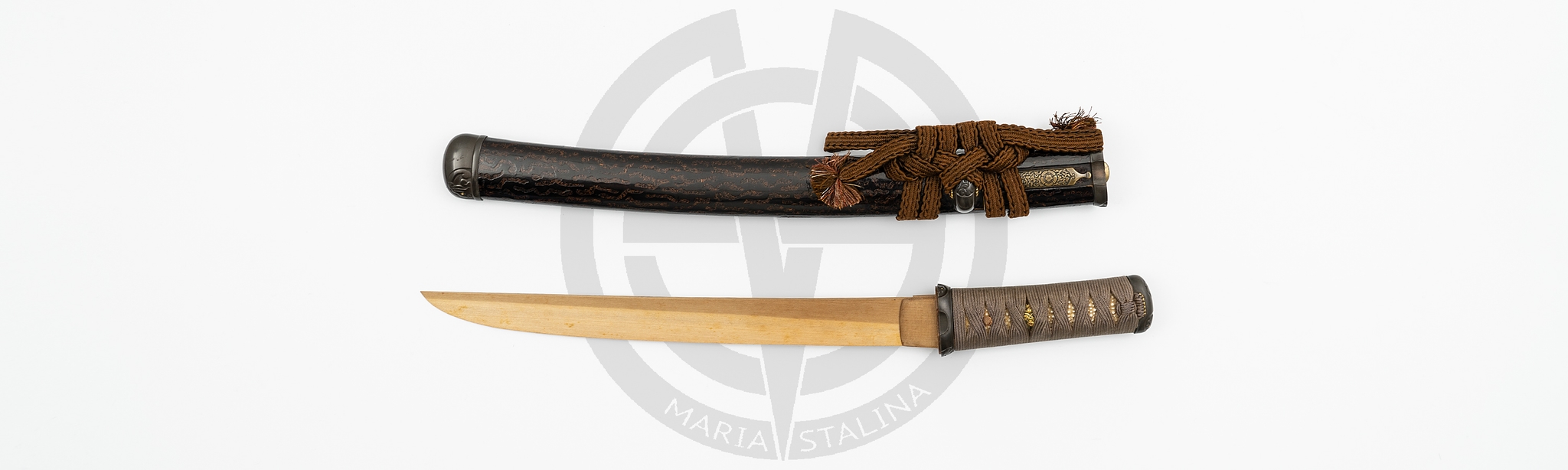
Оправа для повседневного хранения: Длина (сиродзая дзэнтё) — 425 мм.
Художественная оправа:
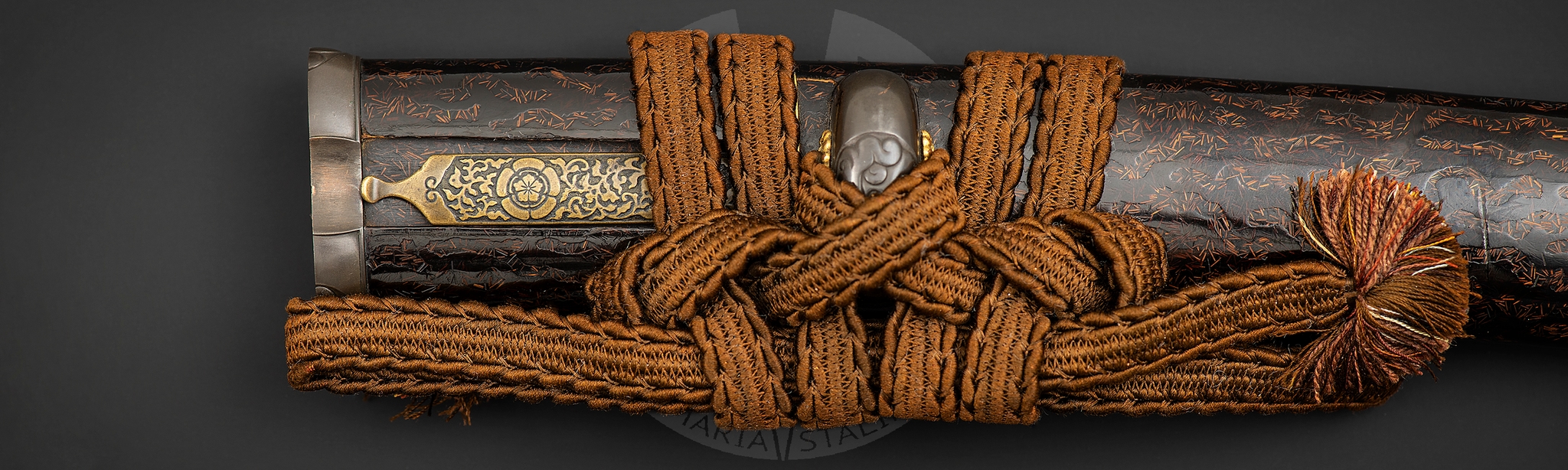
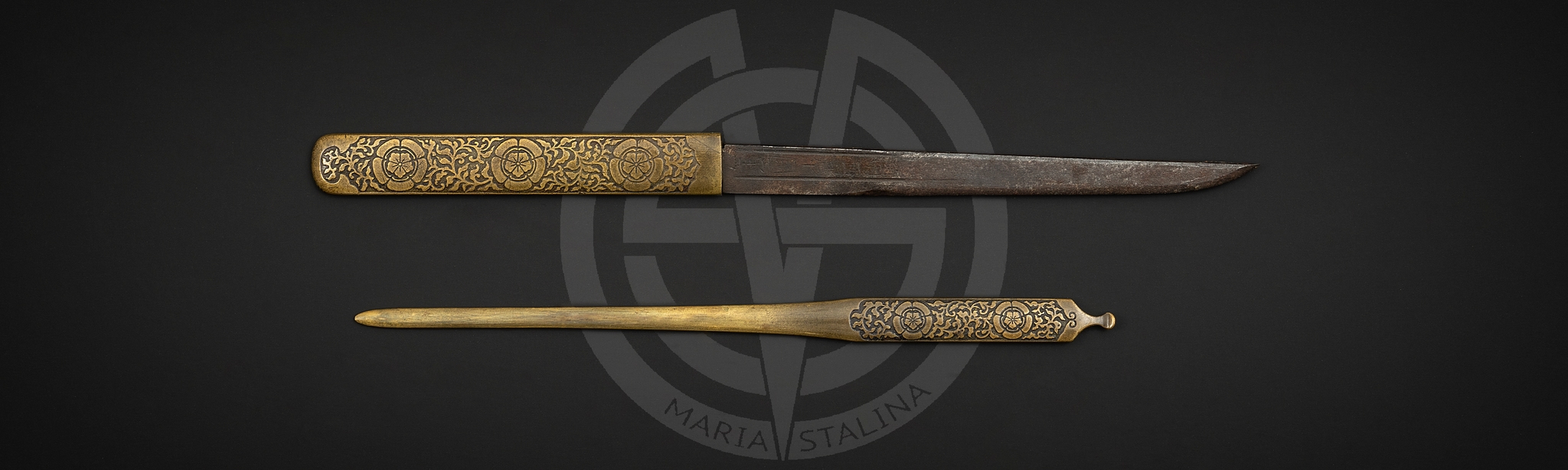
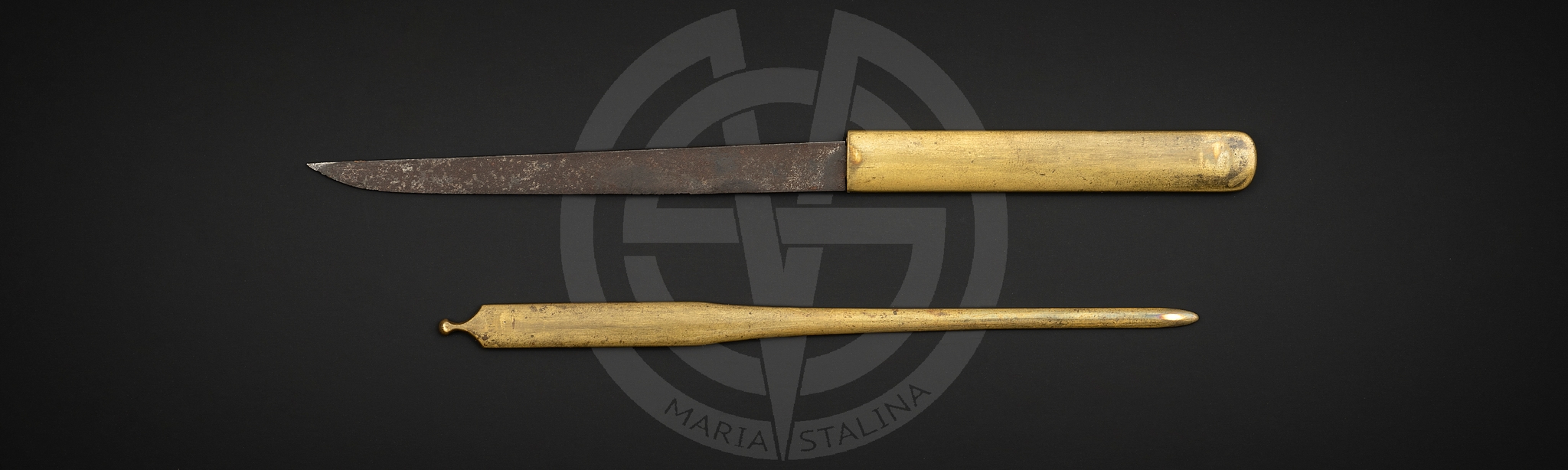
- Антикварный образец исторического косираэ.
- Время создания — вторая половина периода Эдо (1603 – 1867).
- Длина (косираэ дзэнтё) — 500 мм.
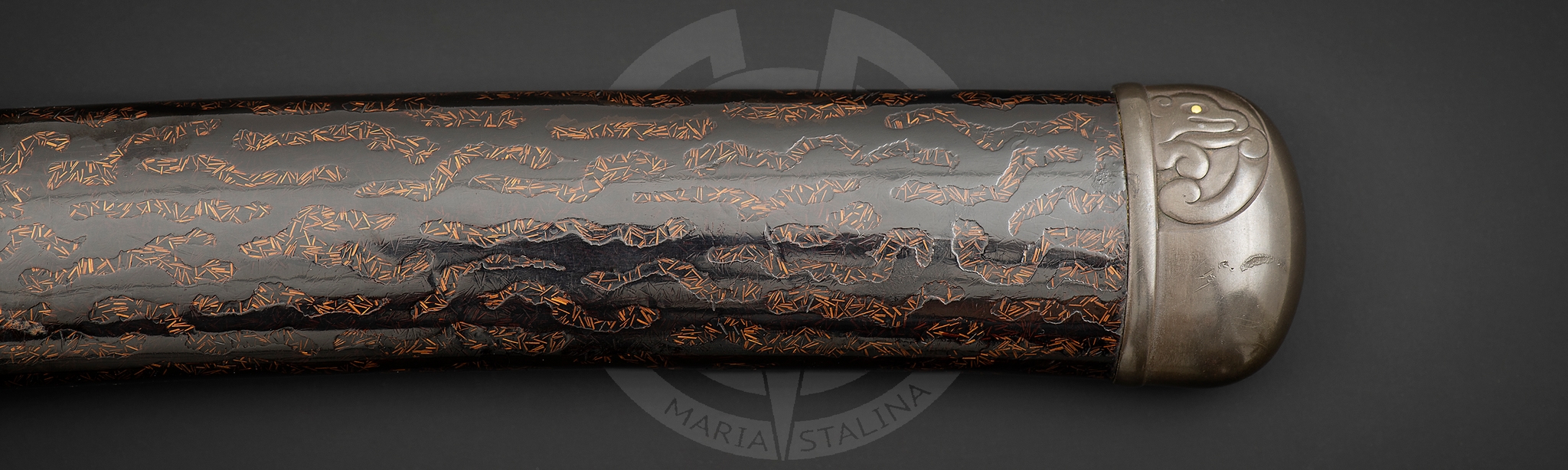
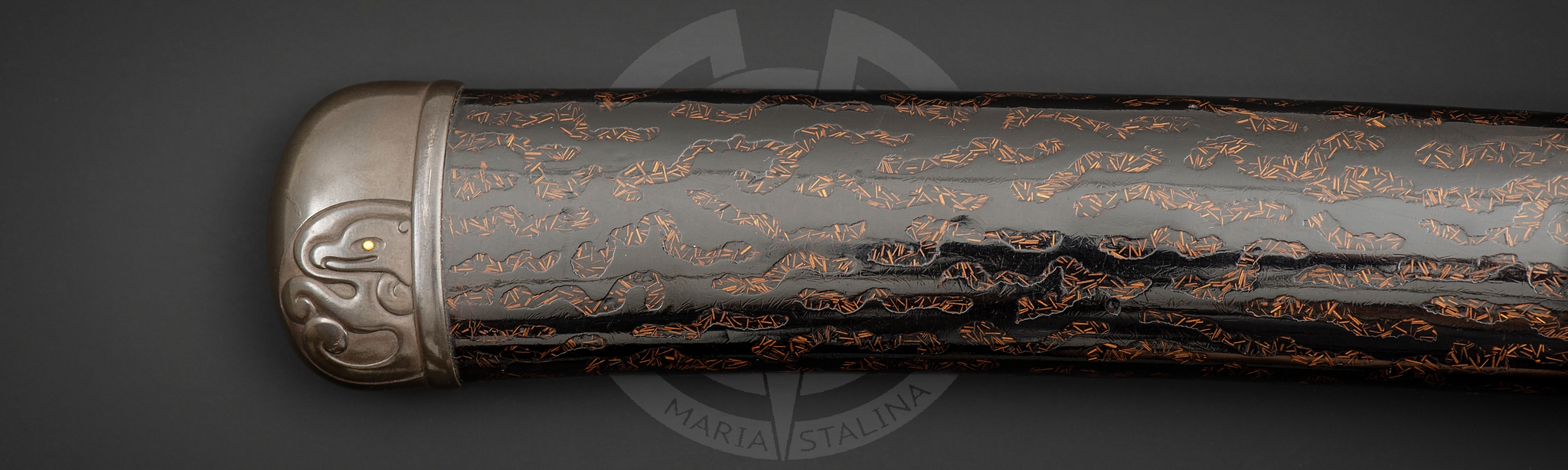
- Ножны чёрного лака в россыпи пальмовых ворсинок и фактурой сосновой коры (мацукава-мон куро уруси сюротэ нуридзая аигути вакидзаси-госираэ). Редкий сохранившийся пример высокого уровня исполнения и качества материалов.
Хранилище:
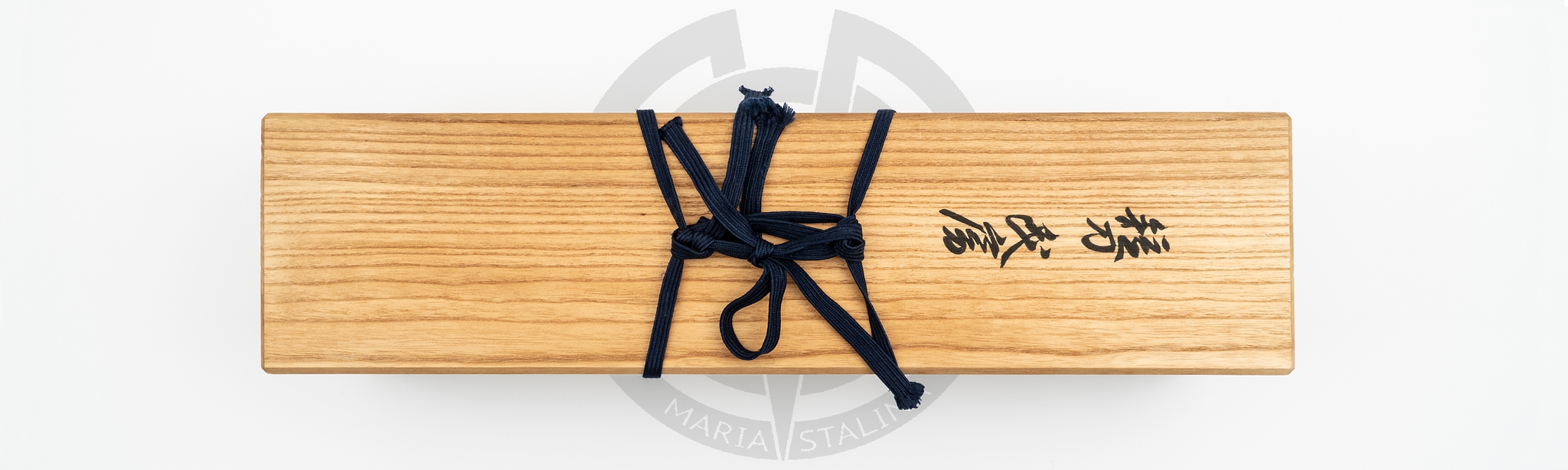
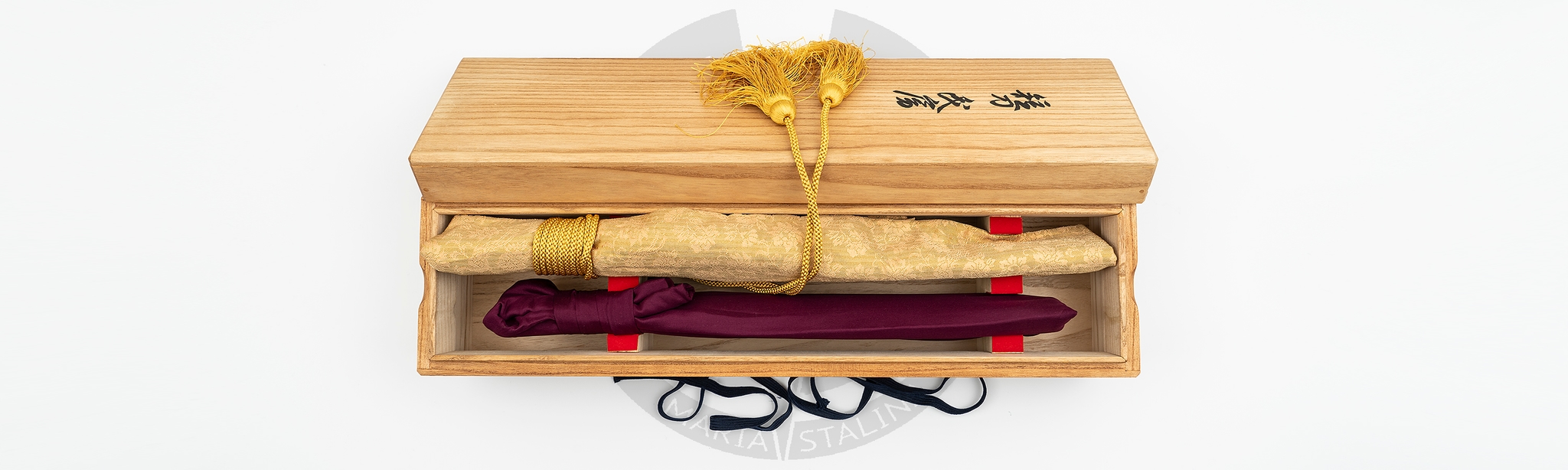
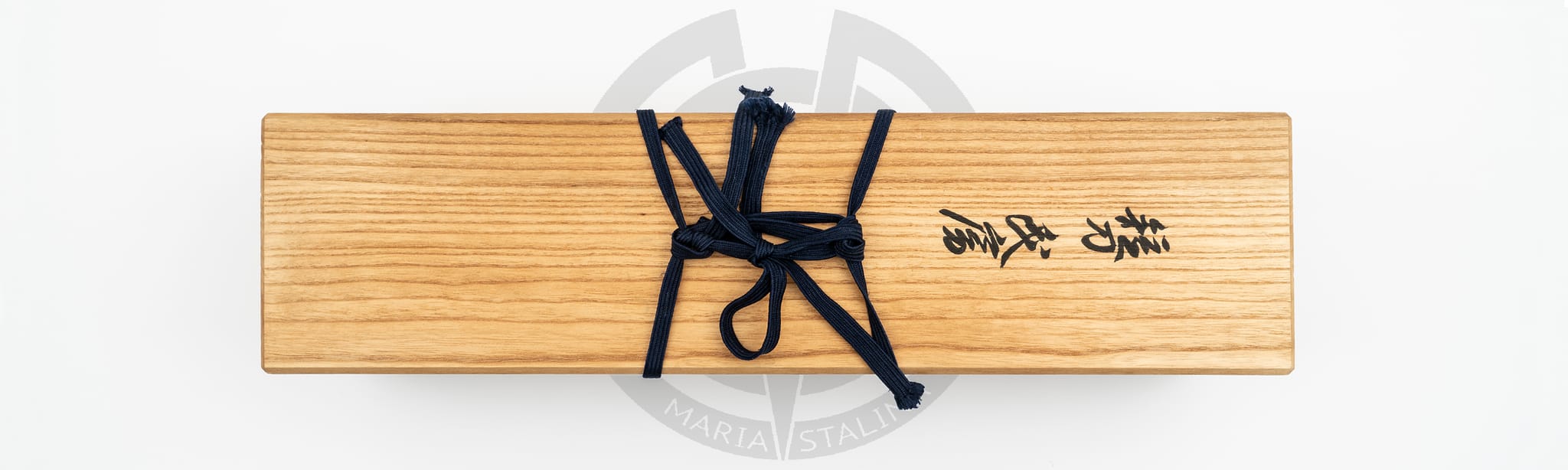
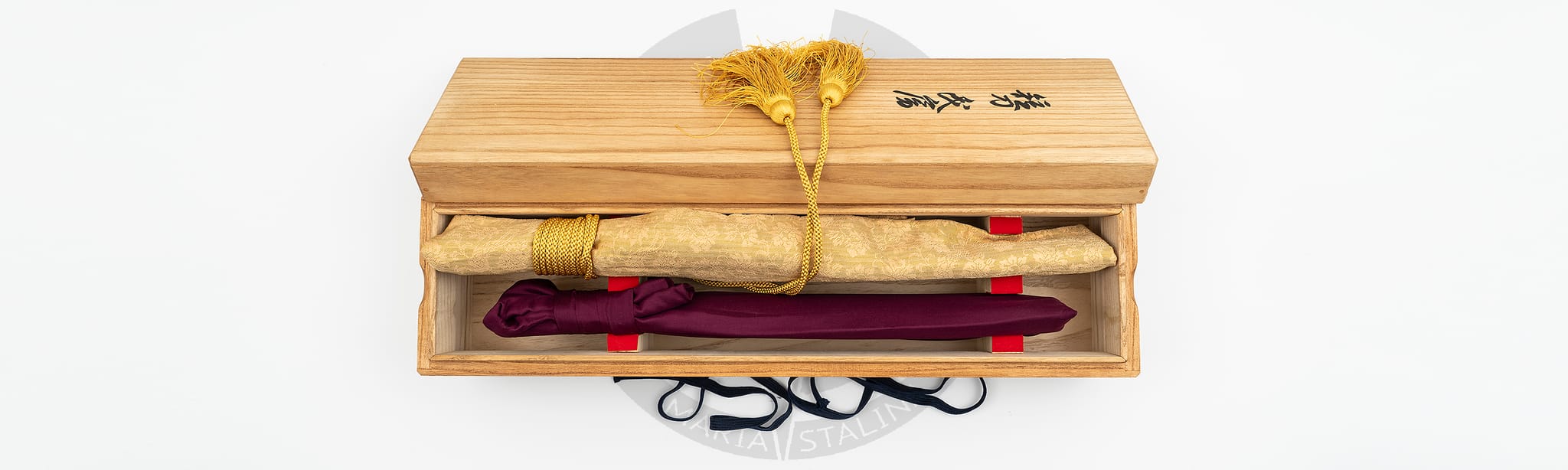
- Изготовлено из древесины павлонии (катанабако).
- Украшено каллиграфической надписью «Танто Удзифуса».
Документы:
- Сертификат на клинок уровня Токубэцу Ходзон Токэн («особо оберегаемый меч») Общества по сохранению искусства японского меча (Нихон Бидзюцу Токэн Ходзон Кёкай/NBTHK), выданный в 2014 году.
- Сертификат на художественную оправу как работу достойной особого сохранения, уровня Токубэцу Ходзон Тосогу. Общества по сохранению искусства японского меча (Нихон Бидзюцу Токэн Ходзон Кёкай/NBTHK), выданный в 2011 году.
- Экспертное заключение (эксперта Министерства культуры Российской Федерации, член NBTHK и NTHK), 2014год.
Вакаса (но) Ками Удзифуса I — основатель кузнечной школы Удзифуса
Вакаса (но) Ками Удзифуса I — известный оружейник конца эпохи «Старых мечей», кузнечная школа Удзифуса.
В третьем году эры Тэмбун (1534) в семье потомственного оружейника Канэфуса родился сын, названный Кёсабуро. После смерти отца во главе кузнечного дома Канэфуса встал старший сын, принявший имя Кунифуса с титулом Ивами (но) Ками. Однако слабое здоровье не позволило ему успешно справляться с делами семьи и его место занял младший брат Кёсабуро, работавший сначала как Канэфуса, но после сменивший имя на Удзифуса.
Мечи, выкованные Удзифуса I в период его творчества как Канэфуса (к ним относится и представленный танто), вполнены в духе традиций Сэки. В те годы кузнечная школа Сэки находилась в состоянии распада, в том числе по причине запретительных указов Ода Нобунага. Приняв имя Удзифуса, кузнец всё больше следовал новым тенденциям, оформившимся впоследствии в такое явление как «Новый меч» /Синто.
Получив почетный титул «Вакаса (но)Ками», Удзифуса переехал в окрестности замка Гифу, а затем и в Адзути. В те годы взошла звезда великого полководца Ода Нобунага, вознамерившегося стать единоличным правителем всей Японии. Ода Нобунага сделал многое для того, чтобы коллективное производство мечей сошло на нет. Наступила эпоха индивидуальных оружейников, стремившихся заручиться поддержкой влиятельных господ. Удзифуса стал ковать для дома Ода.
В июне десятого года Тэнсё (1582) в столицу — город Киото — ворвались войска преданного до той поры дому Ода военачальника по имени Акэти Мицухидэ. В сражении у храма Хоннодзи раненый в руку Нобунага предпочел самостоятельно уйти из жизни, вспоров себе живот (ритуал сэппуку). Многие кузнецы тогда остались без работы. После смерти Ода Нобунага, Вакаса (но) Ками Удзифуса покинул замок Адзути и через Гифу перебрался в земли Овари. Здесь он окончательно осел и на 57-м году жизни скончался.
Наследие
Династия Удзифуса не прервалась со смертью мастера. Имя Удзифуса во втором поколении перешло к его сыну Хэйдзюро, родившемуся в десятом году Эйроку (1567). Известно, что в пятнадцатом году эры Кэйтё (1610) Удзифуса II обосновался в окрестностях замка Нагоя. Его последователем стал Тёдзиро Удзифуса — мастер в третьем поколении, скончавшийся в преклонном возрасте в первом году Камбун (1661).
Данный предмет не является холодным оружием.