

Fogarizzu Antonio

Antonio Fogarizzu
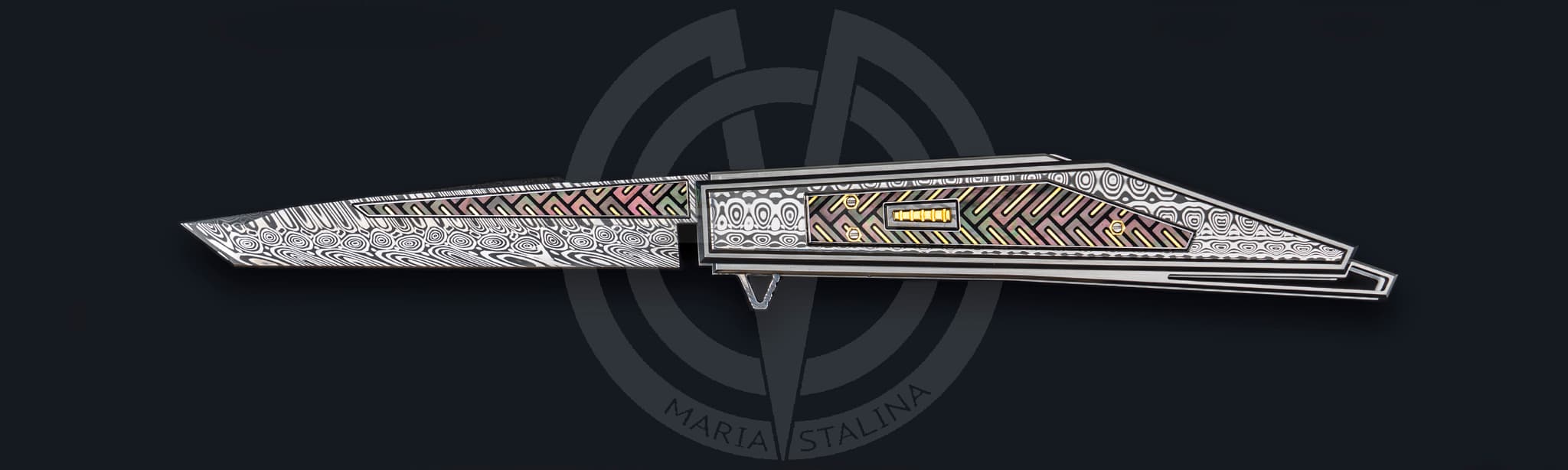
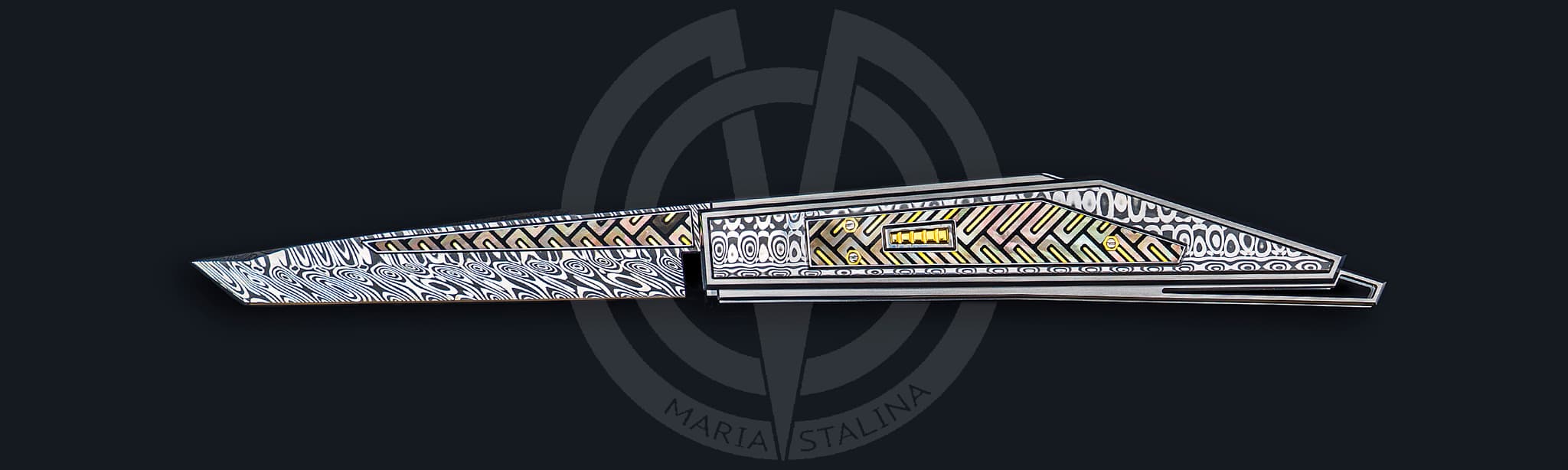
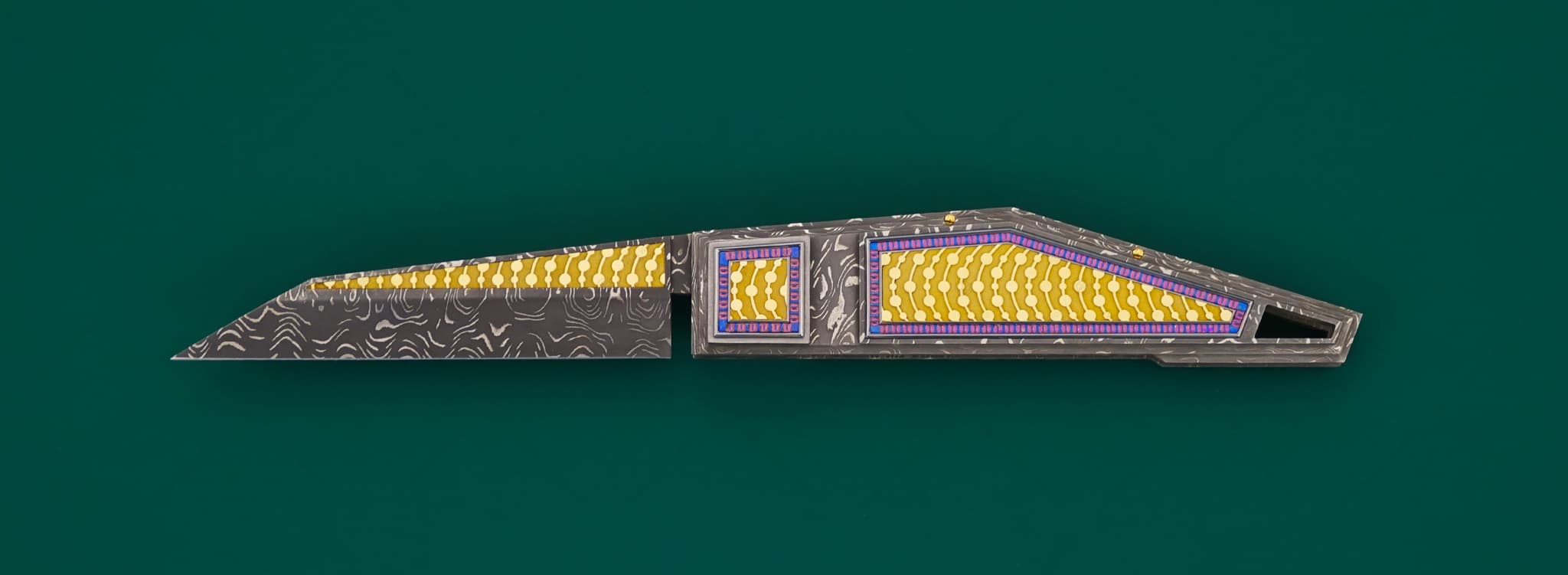
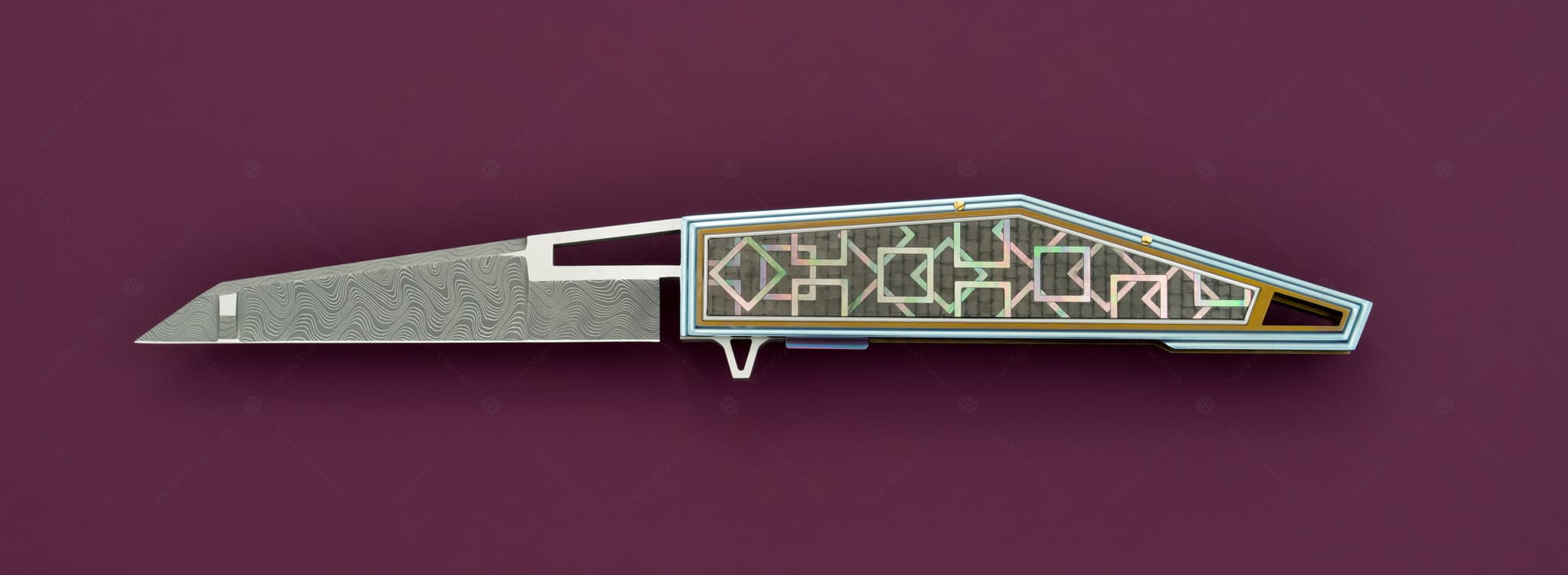
Antonio Fogarizzu is a famous Italian craftsman who has been creating premium knives for over 20 years. The Master's works belong to the Fine Art category and each of them, without exaggeration, is a masterpiece of applied art. Antonio's knives are not just a testament to the author's excellence, this kind of work is usually called collector's grail. Each piece is one-off and handcrafted.
Hereditary Knifemaker was born in the city of Pattada on the island of Sardinia, where he lives and works in the family workshop to this day. In 2016, the Fogarizzu family's knife industry celebrated its bicentennial. Antonio's ancestors were directly related to the formation of the knife craft in Sardinia* during the era of the Napoleonic wars and the Unification of Italy. His father Salvatore taught him the intricacies of the family profession.
For the first few years, an aspiring Knife Maker worked in his father's workshop. Soon, Antonio's skill took the family business to a new level: from the production of serial knives with a classic design, Fogarizzu moved on to the manufacture of collectible folding knives for individual orders. The knifemaker created about twenty knives a year, however, improving his skill, Antonio designed more and more complex pieces, requiring many weeks (and sometimes months) of painstaking jewelry work. Currently, Antonio Fogarizzu produces no more than eight knives annually. He is a member of the Italian Knifemaker Guild.
Like many artists, Fogarizzu's corporate identity has been formed over the years, through creative research. Antonio became the first Italian knifemaker who made his colored Damascus mosaic. As Antonio recounts in an exclusive interview with Maria Stalina Knives: “There is an opinion that those who make Damascus cannot make a good knife and vice versa. Supposedly you are either a master blacksmith or a guru of knife making. I decided to destroy this stereotype by all means”. (From ourselves we add that adherents of this point of view should definitely see the works of Vladik Daniluk).
An impressive period of the master's creative biography was occupied by the work with his mosaic Damascus. When you look at Antonio Fogarizzu knives of that time, you are amazed how radically the author's style of the Master changed. Signor Fogarizzu's contemporary works are not alike to his earlier works with his mosaic Damascus. The ingenious Master stopped experimenting with the blacksmith's forge and completely changed the seemingly established creative style, despite the outstanding results in forging the author's Damascus.
*The traditional knives of this Mediterranean island feature distinctive features of the Spanish navaja dueling knives, the French duc-duc and lajole knives, and the classic silhouettes of the Solingen school. This is unsurprising, as before the arrival of modern Italians, the island was occupied by Celts, Phoenicians, ancient Romans, Byzantines, Moors, Spaniards, and Austrian conquerors. This cultural fusion is a natural and logical phenomenon for the island of Sardinia, with its roots in ancient times.